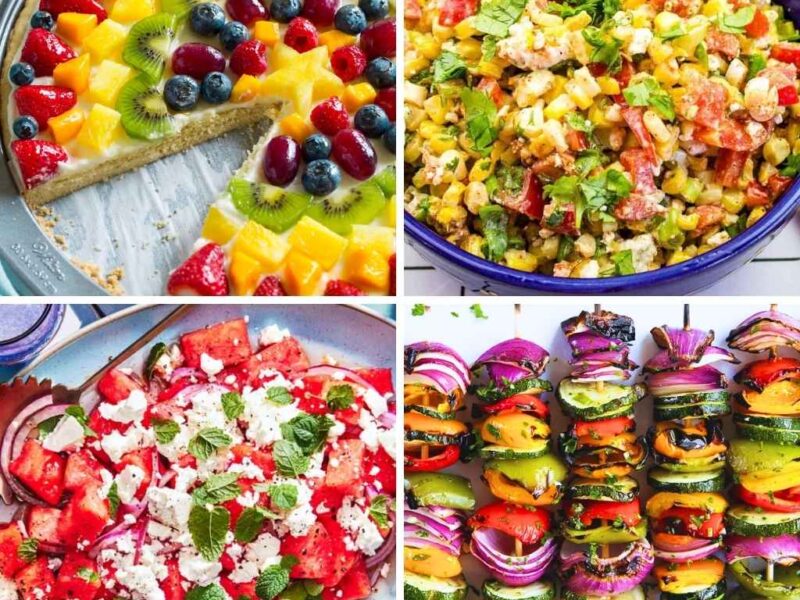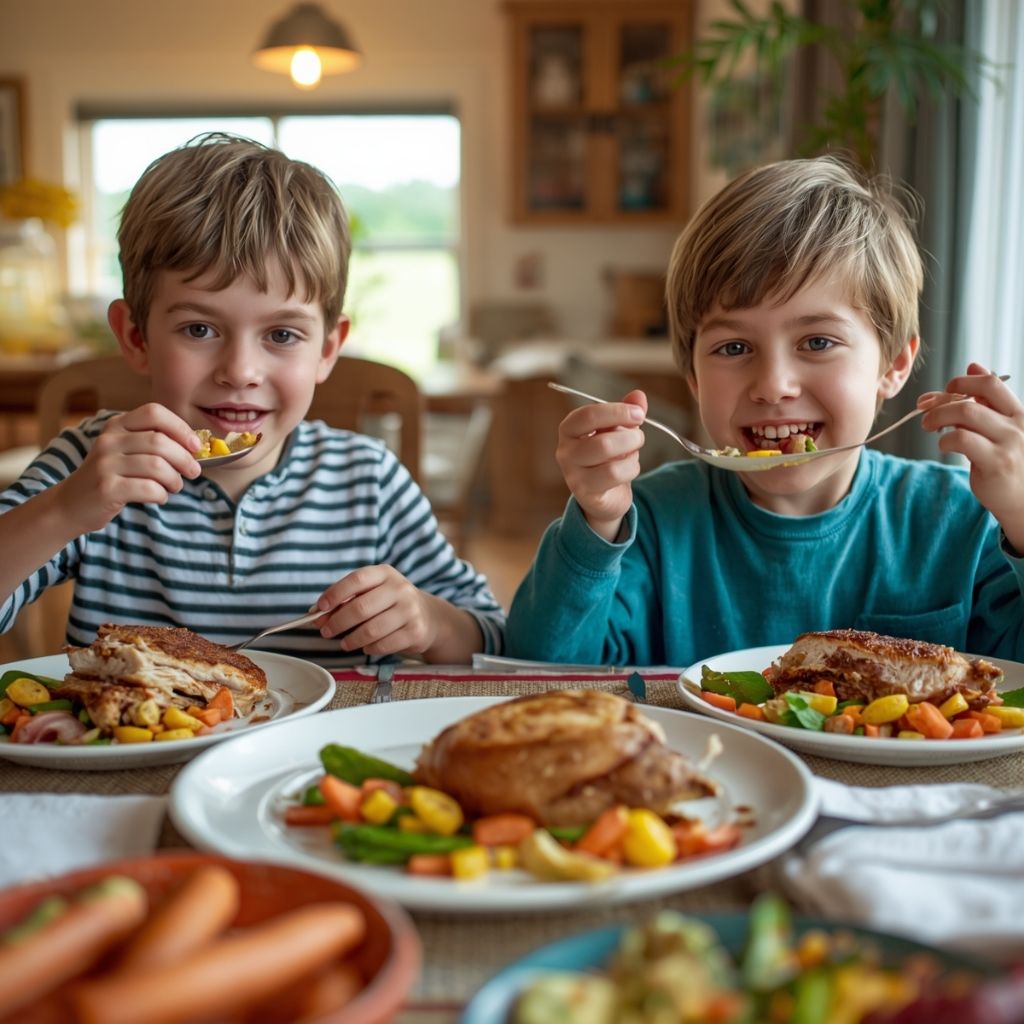
Iron supports your child’s growth, energy, and brain development. Therefore, when kids get enough iron, they stay active, focused, and ready to learn. However, many children don’t meet daily iron needs, especially picky eaters. That’s why this guide to 20 iron-rich foods for kids helps you plan simple, balanced meals.
I remember my friend Ada worrying about her toddler’s low energy. At first, she felt confused about what to feed him. However, she started adding iron-rich foods in small, creative ways. As a result, within weeks, her child became more energetic and attentive. So, small changes can truly make a big difference.
Why Iron Matters for Kids
First of all, iron helps carry oxygen in the blood. As a result, kids feel less tired and more active. Additionally, iron supports brain development and learning. Therefore, it plays a key role in school performance. Moreover, iron strengthens immunity so kids get sick less often. Finally, iron needs increase during growth spurts. So, consistent intake matters every day.
How to Boost Iron Absorption
- Pair iron foods with vitamin C like oranges, strawberries, or tomatoes.
Checkout 15-DIY Kid Friendly Snack Board Ideas
- Also, cook in cast iron pans when possible.
- However, limit tea or excessive milk during iron-rich meals.
- Additionally, include both animal and plant iron sources.
- Most importantly, serve small, frequent meals for picky eaters.
30 Iron-Rich Foods for Kids
1. Spinach
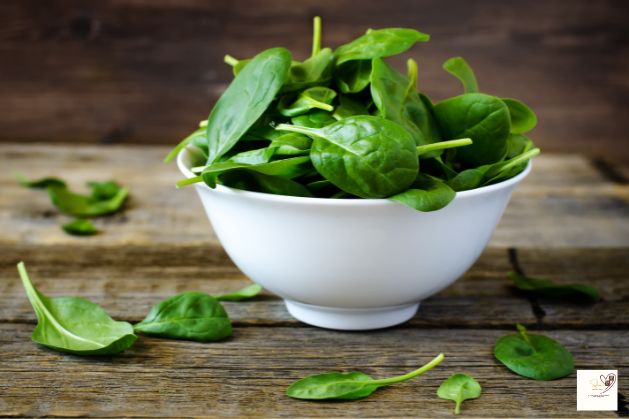
Spinach packs iron and nutrients. According to Healthline, raw spinach contains approximately 2.7mg of iron per 100g (about 3.5 ounces), which provides roughly 15% of the Daily Value (DV).Additionally, you can blend it into smoothies or sauces. Moreover, it softens quickly when cooked. Therefore, kids won’t notice the texture easily. As a result, it becomes an easy add-in.
2. Red Meat (Beef)
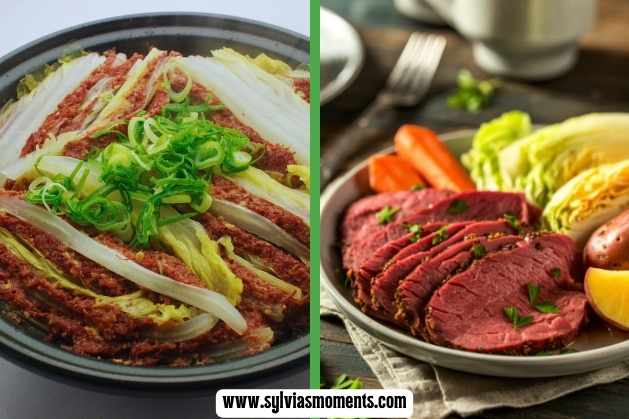
Beef provides highly absorbable iron. A 3.5-ounce (100-gram) serving of ground beef contains approximately 2.7mg of iron, which provides about 15% of the Daily Value (DV).For example, you can grill or mince it for easy meals. Additionally, it pairs well with vegetables. Therefore, try meatballs or tacos. Overall, it’s a strong iron source.
3. Chicken Liver
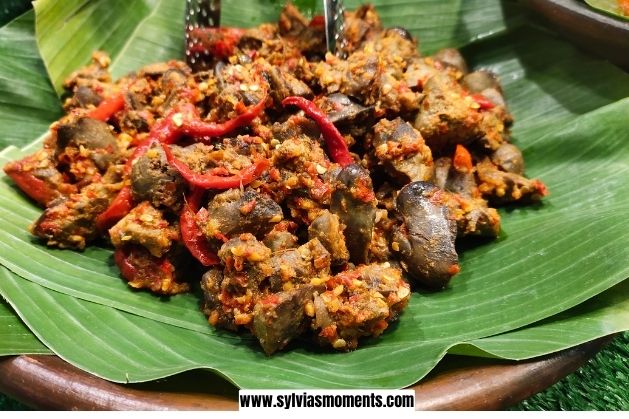
Chicken liver is an exceptionally rich source of heme iron, with a 3-ounce (85g) cooked serving providing approximately 9.86mg of iron, covering over 50% of the daily value (DV).However, the taste can feel strong at first. So, mix it into sauces or mince with spices. Additionally, cook it thoroughly for safety. As a result, it becomes easier to enjoy.
4. Lentils
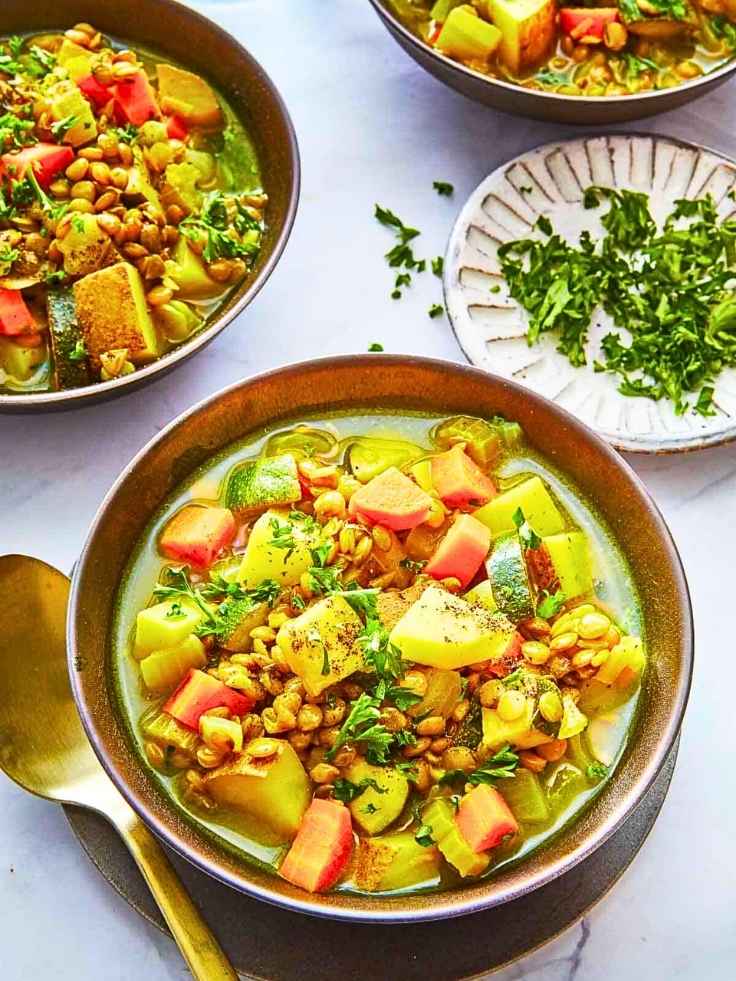
Lentils are affordable and nutritious. Cooked lentils are an excellent source of iron, providing approximately 6.6 mg per 1-cup serving, 198 grams This amount covers roughly 37% of the Daily Value (DV) for iron Moreover, they cook quickly and blend well. For instance, they work perfectly in soups and stews. Additionally, add tomatoes for vitamin C. Therefore, they boost absorption naturally.
5. Beans
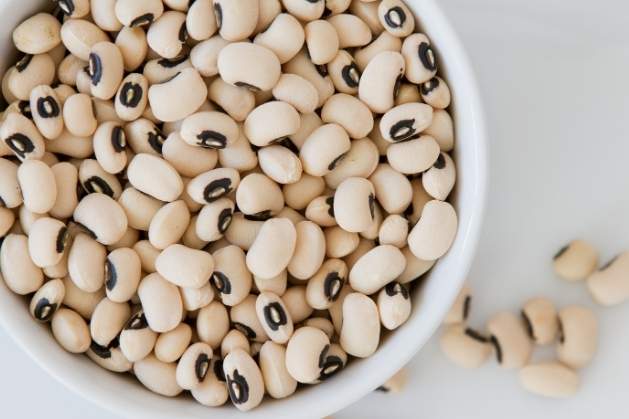
Beans are an excellent, iron-rich plant-based source, with white beans often providing the highest amount—roughly 5 to 8 mg per cooked cup . A half-cup serving of most beans provides roughly 10–20% of the Daily Value (DV) for iron. Additionally, you can mash them into dips. For example, use them in wraps or rice bowls. Moreover, hummus is a great option. As a result, kids enjoy them more.
6. Eggs
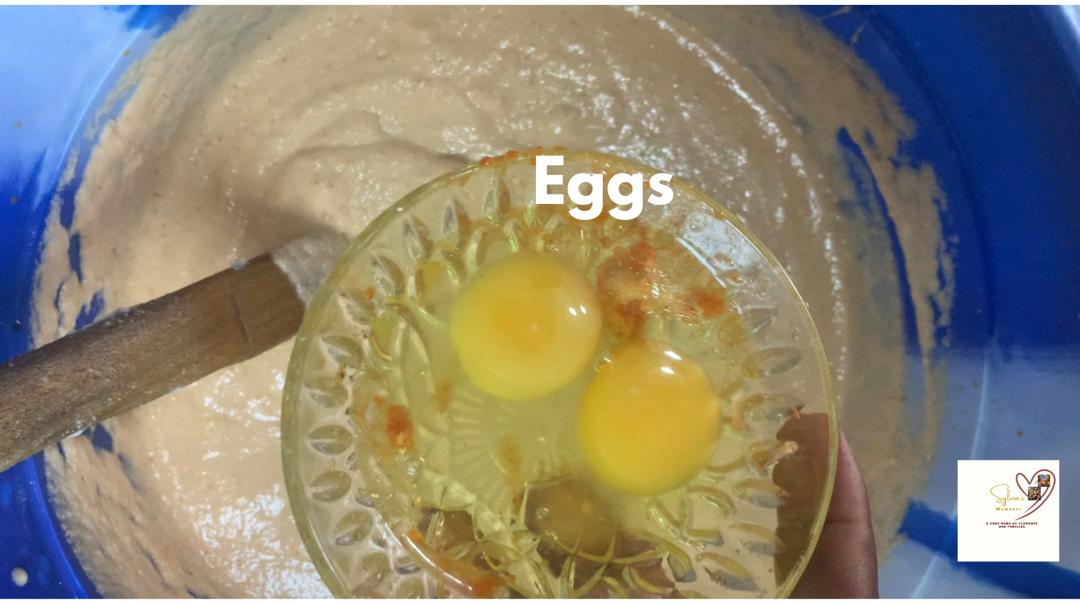
Eggs provide moderate iron and protein. Whole large, whole egg contains approximately 0.9-1 mg of iron. This amount represents roughly 4–5% of the Daily Value (DV. First, scramble them for quick meals. Additionally, add veggies for balance. Therefore, they become more nutritious. Overall, they are simple and reliable.
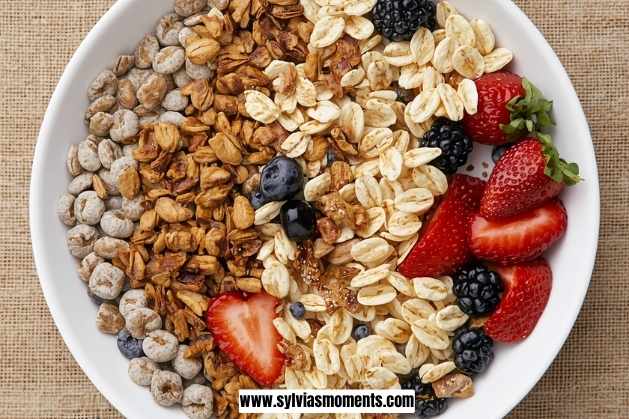
7. Fortified Cereals
Many cereals include added iron. However, choose low-sugar options. Additionally, pair with fruits rich in vitamin C. Therefore, absorption improves. So, always read labels carefully.
8. Tofu
Absorbs flavors easily. Tofu is an excellent plant-based source of iron, containing approximately 3-3.4mg of iron per half-cup serving, which fulfills about 15-19 percent of the Daily Value. Stir-fry it with mild sauces. Additionally, cube it into soups. Moreover, it’s soft and easy to chew. As a result, it suits many kids.
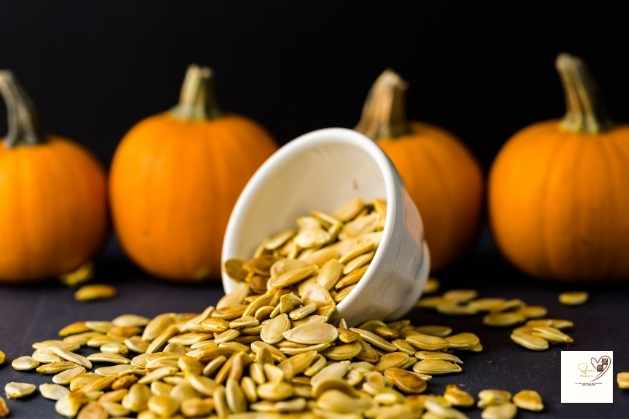
9. Pumpkin Seeds
Pumpkin seeds are small but powerful. A 1-ounce (28-gram) serving of pumpkin seeds provides roughly 2.5mg of iron, which is about 14% of the Daily Value (DV).Additionally, sprinkle them over yogurt. Moreover, blend them into smoothies. Therefore, they add nutrients easily. However, watch portion sizes.
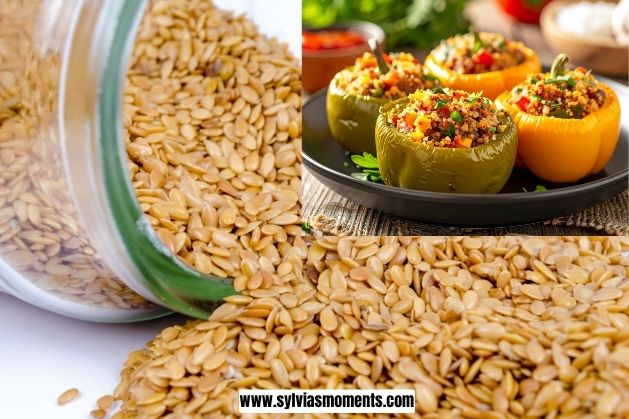
10. Quinoa
Quinoa contains iron and protein. One cup (185 grams) of cooked quinoa provides approximately 15% of the Daily Value (DV) for iron (about 2.8mg), making it a significant plant-based source. First, cook it like rice. Additionally, mix with vegetables or beans. Moreover, it has a mild taste. Therefore, kids accept it easily.
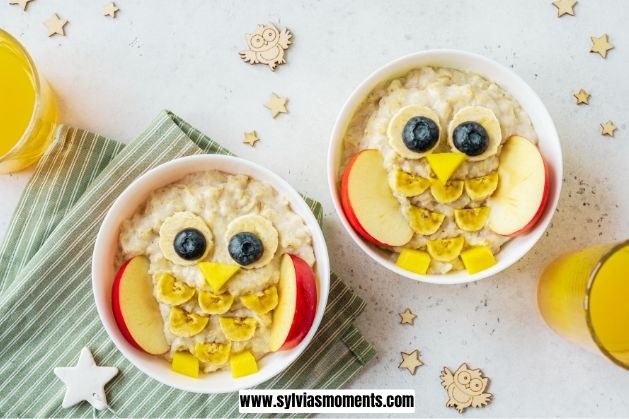
11. Oatmeal
Oats provide iron and fiber. About 1/2 cup ,which is around 40.5g of dry oats provides roughly 9.4 percent of the Daily Value (DV) for iron, making it a valuable addition to a plant-based diet Additionally, cook them with milk or water. For example, add berries or honey. Therefore, breakfast becomes nutritious. Overall, it’s very comforting.
It is part of 20-Nigerian-Breakfast Ideas for Busy Morning.
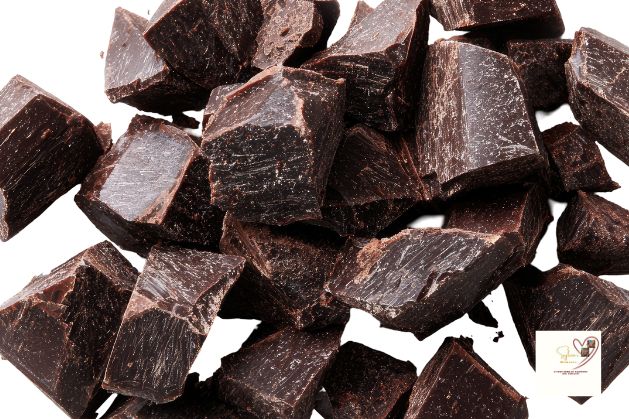
12. Dark Chocolate
Dark chocolate contains some iron. However, offer it in moderation. Additionally, combine with fruits. Therefore, it becomes a healthier treat. So, keep portions small. Dark chocolate is a surprisingly potent source of iron, offering roughly 19% of the Daily Value (DV) in a 1-ounce (28-gram) serving of 70%–85% cacao. Three ounces can provide between 5.38mg and 10.12mg of iron, making it a nutrient-dense choice for boosting intake, provided it has at least 45%–70% cocoa solids.
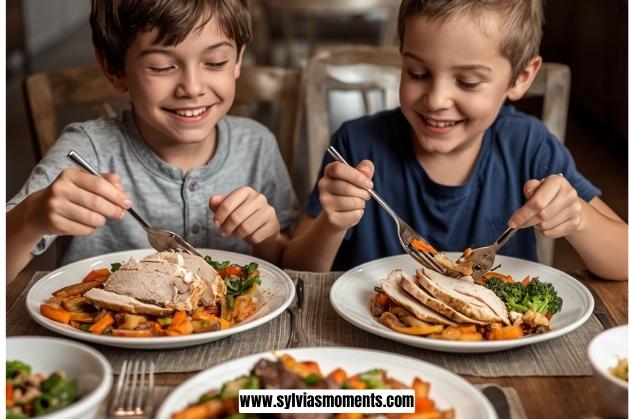
13. Turkey
This meat offers lean protein and iron. Turkey is a good source of iron, particularly the dark meat, which provides roughly 8% of the dietery [DV] in a 3.5 ounce [100g] serving . Additionally, roast or shred it easily. For example, use it in sandwiches. Therefore, it works for lunchboxes. Overall, it’s mild and tasty.
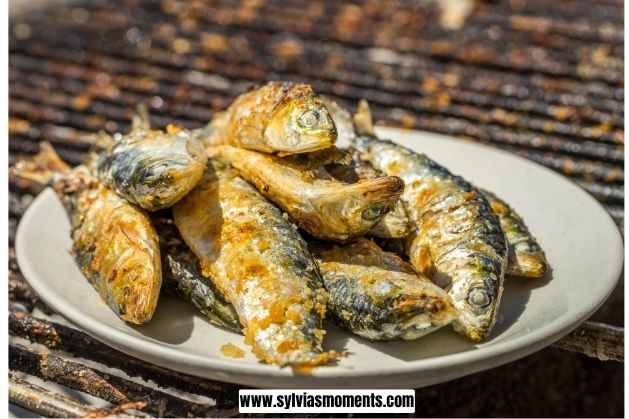
14. Sardines
Sardines are rich in iron and omega-3s. According to Healthline and related health sources, canned sardines are an excellent source of iron, with a 3.75 ounce[106 gram] can providing approximately 34 percent of the Daily Value[DV]. However, the flavor can be strong. So, mash them into spreads. Additionally, serve with crackers. As a result, kids adjust gradually.
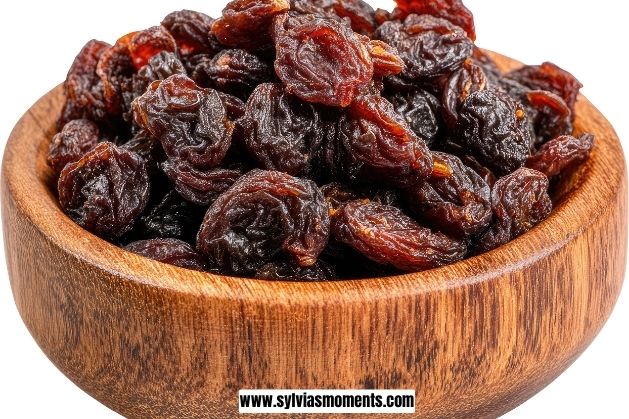
15. Raisins ⇒ 20 iron-rich foods for kids
They are a good, plant-based source of iron, containing approximately 1.3mg of iron per half-cup (about 7% of the daily value for women, 16% for men). Add them to cereals. Moreover, mix into snacks. Therefore, they are very convenient. However, monitor younger kids.
16. Broccoli
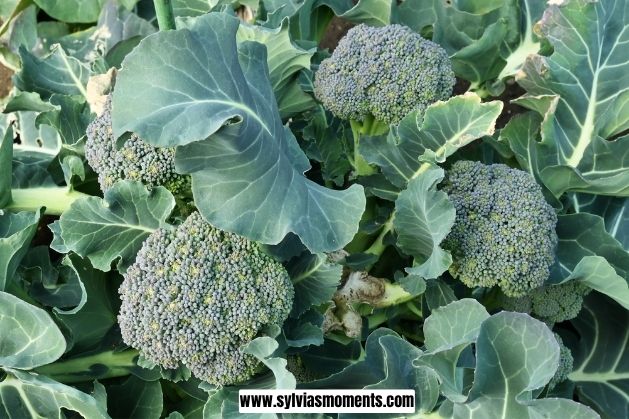
Broccoli offers iron and vitamin C. According to Healthline, broccoli is a nutrient-dense, plant-based source of non-heme iron, providing about 1 mg of iron [6% of Daily Value]in a 1-cup[156 gram]cooked serving. It is highly recommended for iron intake because it also packs 112% of the DV for vitamin C, which is essential to help your body absorb the iron. Steam until soft and serve with cheese. It becomes more appealing. Overall, it’s easy to include.
17. Kale
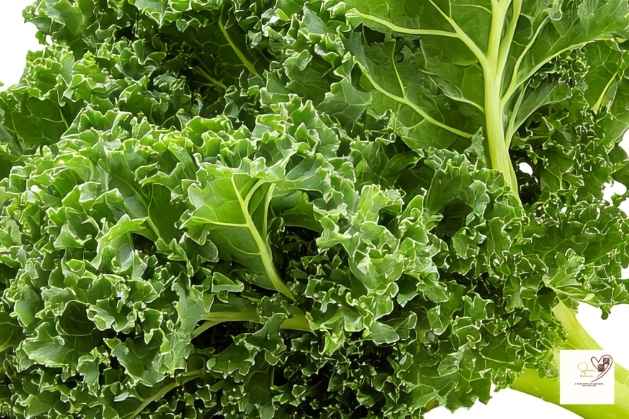
Kale contains iron and vitamins. One cup of cooked Kale contains roughly 1 mg of iron, and it is considered a good plant-based (non-heme) iron source. However, cook it to soften texture. Additionally, blend into smoothies. Therefore, it becomes easier to consume. As a result, kids accept it slowly.
18. Sweet Potatoes
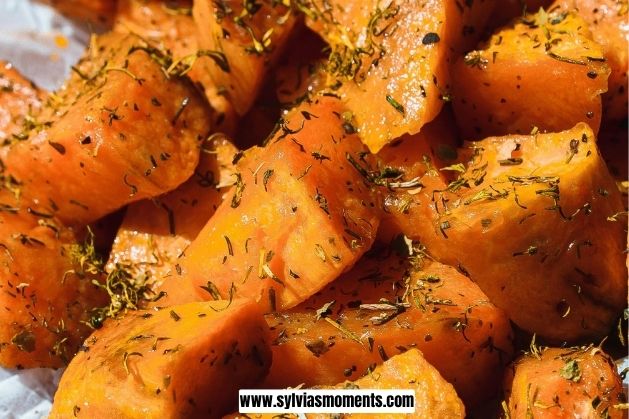
Sweet potatoes provide nutrients and iron. about 0.4-0.7mg per 100g  serving, while also being rich in vitamin C and beta-carotene. Roast or mash them and then, add cinnamon. Therefore, kids enjoy the taste. Overall, they are very satisfying.
19. Peas
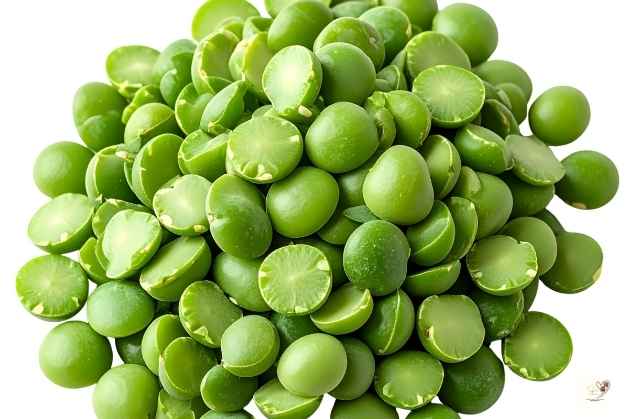
Peas contain iron and fiber. Cooked green peas provide roughly 6.8% of the Daily Value (DV) of iron per serving (approx. 1/2 cup).Additionally, mix into rice or pasta. Moreover, mash for toddlers. Therefore, they are easy to eat. As a result, they fit many meals.
20. Peanut Butter ⇒ 20 iron-rich foods for kids
Peanut butter contains a moderate amount of non-haem iron, roughly 0.3-0.6 mg per tablespoon, providing a useful but not primary source of iron. . Spread on toast or fruit. Moreover, you can also blend into smoothies. Therefore, it’s very satisfying. However, check for allergies.
In conclusion
Providing 20 iron-rich foods for kids doesn’t have to feel overwhelming. Instead, start small and stay consistent. Additionally, mix familiar foods with new options. As a result, your child builds healthy habits gradually. Ultimately, these small steps lead to strong growth, better energy, and long-term health.
Check out
15 healthy No Reheat School Lunch Ideas Kids Finish Every Time
Effortlessly Egg-Free Recipe you can enjoy with kids