Starting locs is more than choosing a hairstyle. It’s a journey that transforms your hair, your routine, and often your mindset. At first, many people feel excited yet unsure about what lies ahead. That’s completely normal. Understanding the 5 different stages of locs and what to expect helps you stay confident, patient, and consistent from day one.
A friend of mine, Chioma, started her loc journey with so much excitement. However, a few weeks later, she almost gave up because her hair looked frizzy and uneven. Thankfully, once she understood the stages, she relaxed and trusted the process. Today, her locs are full, healthy, and absolutely beautiful.
So, if you’re just starting or already on your journey, this guide will walk you through each phase step by step.
Check out also The Perfect Ways To Start Your Loc Journey-A Simple Beginners Guide
Why Understanding the Loc Stages Matters
First of all, locs don’t form overnight. They develop gradually through natural matting and time. Additionally, each stage comes with its own challenges and beauty. When you know what to expect, you avoid unnecessary frustration.
Moreover, understanding the stages helps you care for your hair properly. As a result, your locs grow healthier and stronger.
The 5 Different Stages of Locs and What to Expect
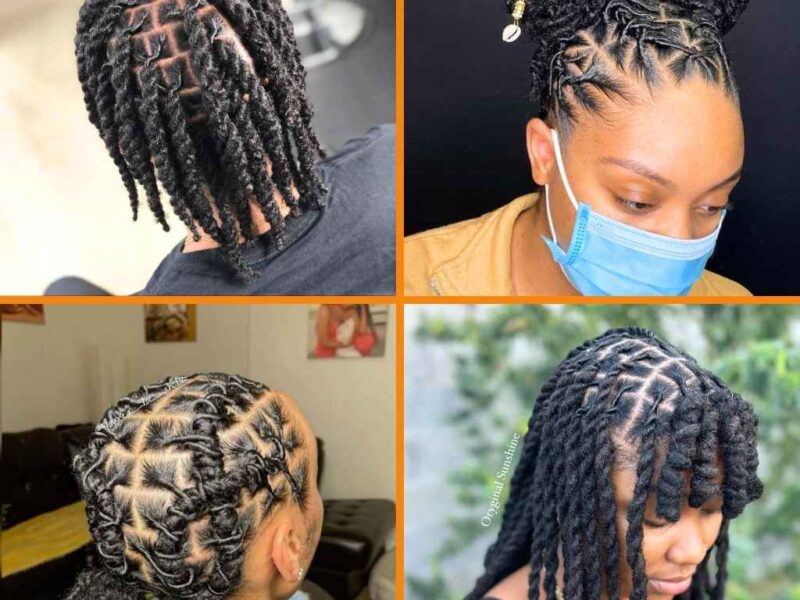
1. Starter Stage (Baby Locs Stage)
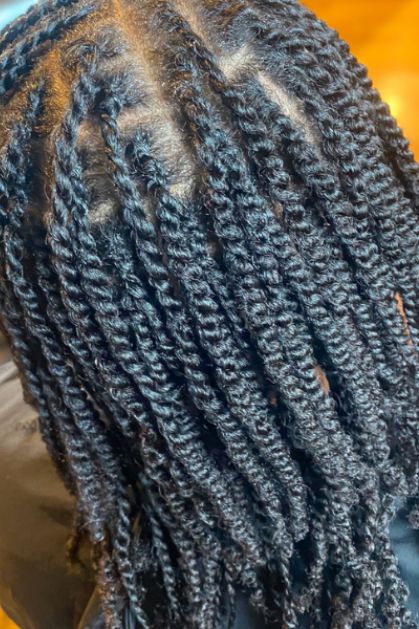
The starter stage is where your loc journey begins. Typically, this phase lasts from a few weeks to about three months. During this time, your hair is sectioned and formed into coils, twists, or braids. Because the locs are still new, they can easily unravel, especially after washing.
At this stage, patience is very important. Your hair may look frizzy or uneven, but that is completely normal. Additionally, you might feel tempted to compare your locs to mature ones, but try to avoid that. Every loc journey is unique, and yours will develop in its own way.
Chioma once said this stage tested her the most. However, once she stopped over-manipulating her hair, things improved quickly.
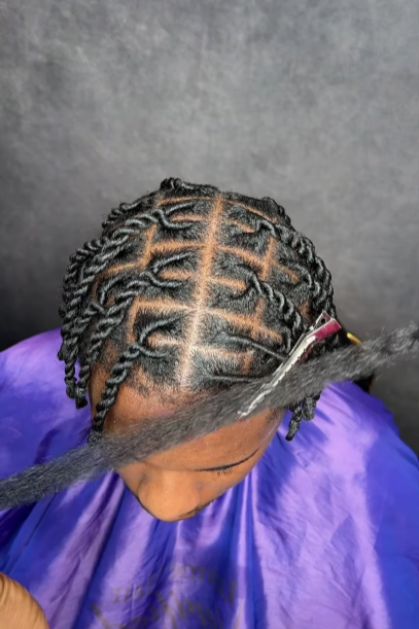
What to Expect:
- Frizz and loose strands
- Frequent unraveling
- Soft and undefined locs
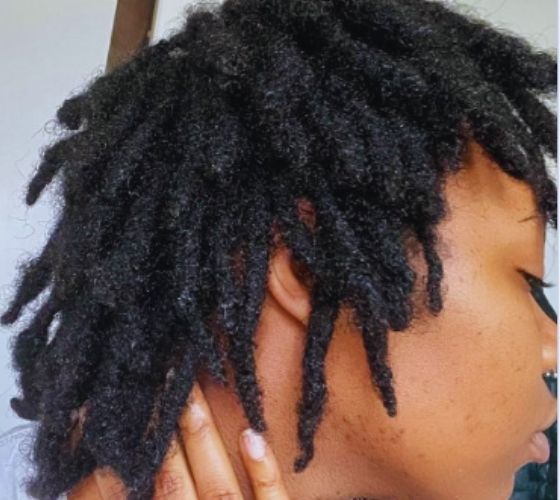
- Need for regular retwisting
Care Tips:
- Avoid over-washing your hair
- Sleep with a satin bonnet
- Keep your scalp moisturized
2. Budding Stage
Next comes the budding stage, usually between 3 to 6 months. This is when your locs begin to swell and form small knots inside. At first, the texture may feel uneven or lumpy. However, this is actually a good sign.
During this phase, your locs are locking internally. Additionally, you’ll notice more volume and thickness. Because of this, your hair starts to look fuller and more defined.
When my friend reached to this stage ,she was relieved although I always tease her that the hair still looks puffy.
What to Expect:
- Puffy or swollen locs

- Increased frizz
- Visible knots forming
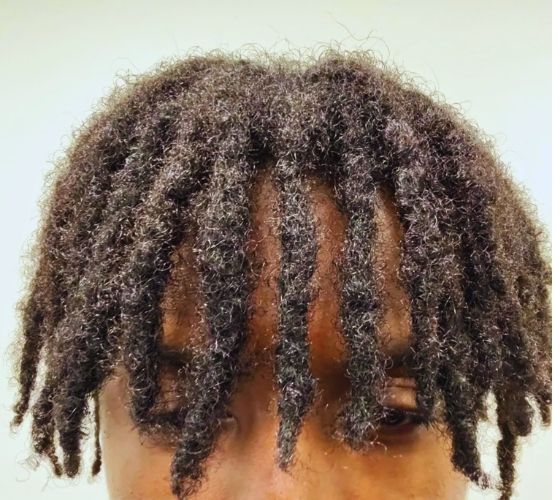
- Slight itching
Care Tips:
- Keep your scalp clean
- Use light oils for moisture
- Avoid heavy products that cause buildup
3. Teen Stage (Ugly Stage)
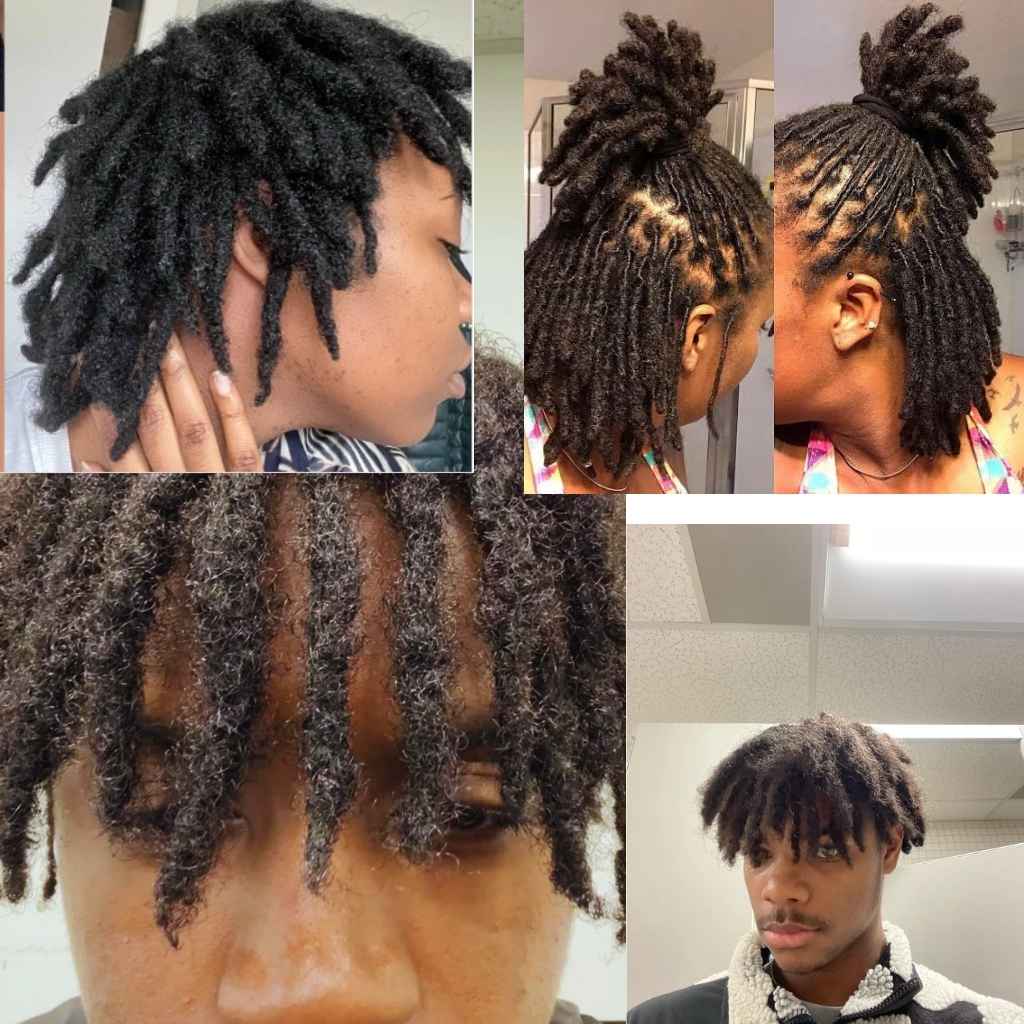
The teen stage usually happens between 6 to 12 months. Many people call this the “ugly stage,” but honestly, it’s just a phase of transformation.
At this point, your locs look more defined but still uneven. Some may be thicker, while others appear thinner. Additionally, frizz is still very present. However, your locs are getting stronger internally.
This stage can feel challenging emotionally. Lots of people on loc journey almost gave up at this stage because, the locs will not look “perfect.” However, once they embrace the process, they started enjoying the uniqueness of their hair.
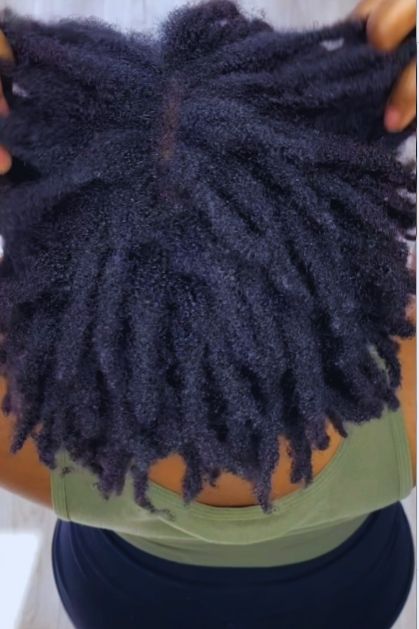
What to Expect:
- Uneven sizes and shapes
- Frizz and flyaways
Check Out What Causes Split Ends and How To Protect Them
- Shrinkage
- Stronger loc structure
Care Tips:
- Avoid comparing your locs to others
- Keep styling simple
- Moisturize regularly
4. Mature Stage
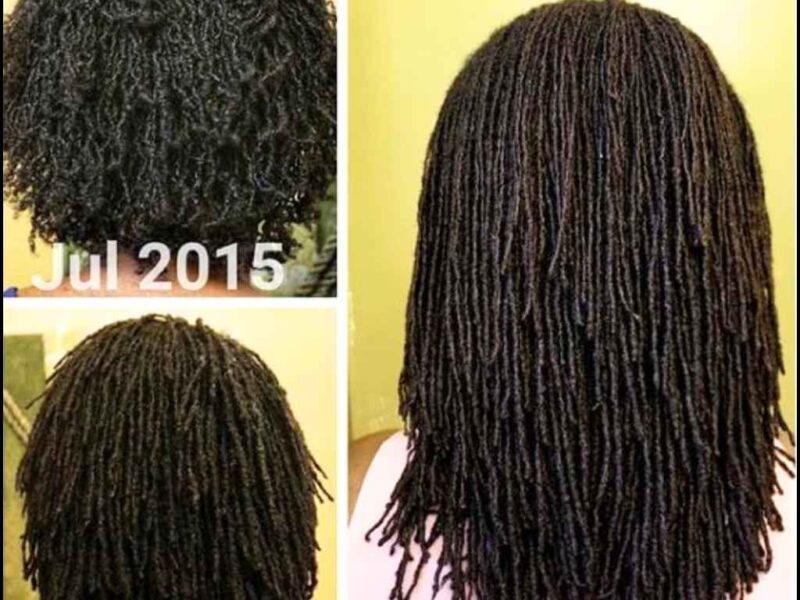
The mature stage typically begins after one year. At this point, your locs are fully formed and more uniform in appearance. They feel firmer and smoother compared to earlier stages.
Additionally, frizz reduces significantly. Your locs now hang more naturally and show their true length. Because of this, styling becomes easier and more enjoyable.
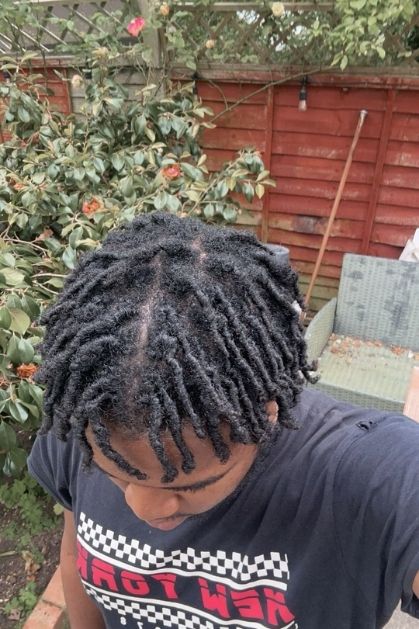
Chioma loved this stage the most. She finally felt confident wearing her locs in different styles.
What to Expect:
- Smooth and firm locs
- Less frizz
- Increased length visibility
- Easier styling
Care Tips:
- Maintain a regular washing routine
- Keep your locs hydrated
- Trim loose ends if necessary
5. Rooted Stage (Fully Mature Locs)
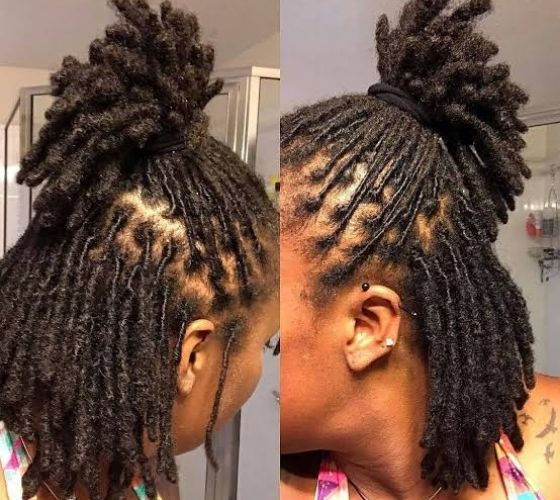
The final stage is the rooted stage. This happens after several years of growth. At this point, your locs are fully settled and deeply rooted.
They become heavier, longer, and more defined. Additionally, they reflect your full loc journey. Because of their maturity, they require less maintenance compared to earlier stages
 .
.
What to Expect:
- Fully developed locs
- Strong and durable strands
- Minimal frizz
- Long and heavy length
Care Tips:
- Continue moisturizing regularly
- Protect your locs at night
- Avoid excessive buildup
Common Challenges During the Loc Journey
Even though locs are beautiful, the journey comes with challenges. First, patience can feel difficult. Progress takes time, and results don’t appear instantly.
Next, frizz can feel frustrating. However, it’s a natural part of the process. Additionally, shrinkage may make your hair appear shorter. But in reality, your locs are growing internally.
Understanding these challenges helps you stay committed.
How to Make Your Loc Journey Easier
To enjoy your journey, focus on consistency.
- First, keep your routine simple. Over-styling can damage your locs.
- Next, use lightweight products. Heavy creams can cause buildup.
- Additionally, protect your hair at night. Satin bonnets or scarves help maintain moisture.
- Most importantly, trust the process. Your locs will develop beautifully with time.
Frequently Asked Questions
1. How long does each loc stage last?
Each stage varies depending on your hair type and care routine. However, the starter stage lasts about 1–3 months, while budding takes 3–6 months. The teen stage can last up to a year, and full maturity usually happens after 12–24 months.
2. Why do my starter locs keep unraveling?
Starter locs unravel easily because they haven’t locked yet. Water, sweating, or touching them too much can loosen them. To reduce this, handle your hair gently and avoid over-manipulation.
3. Is the “ugly stage” really unavoidable?
Yes, most people experience the teen stage where locs look uneven or frizzy. However, it’s completely normal and temporary. If you stay patient, your locs will eventually settle and look more uniform.
4. When do locs start locking properly?
Locs begin locking during the budding stage, usually around 3–6 months. At this point, you’ll notice knots forming inside the strands. This is a good sign that your locs are developing.
5. Can I wash my hair during the early stages?
Yes, you can wash your hair, but you need to be careful. Use gentle techniques and avoid washing too frequently. This helps prevent unraveling in the starter stage.
6. Why do my locs look puffy and swollen?
Puffiness happens during the budding stage when your hair starts to knot internally. Although it may look uneven, it means your locs are forming properly. Over time, they will tighten and smooth out.
7. Do all locs mature at the same time?
No, locs do not mature evenly. Some may lock faster than others depending on texture and size. This is completely normal, so try not to compare different sections of your hair.
8. How do I reduce frizz during the loc journey?
You can reduce frizz by keeping your hair moisturized and protected. Use a satin bonnet at night and avoid over-styling. However, remember that some frizz is part of the process.
9. When can I start styling my locs freely?
You can start light styling early, but more complex styles work better once your locs are mature. After about 9–12 months, your locs will be stronger and easier to style.
10. What is the final stage of locs like?
The final stage, often called the rooted or mature stage, features fully formed locs. They feel firm, smooth, and strong. At this point, your locs require less maintenance and look more polished.
To Conclude on 5 Different Stages of Locs and What to Expect
Understanding the 5 different stages of locs and what to expect makes your journey smoother and more enjoyable. Each stage plays an important role in forming strong, beautiful locs.
Although the process requires patience, the results are always worth it. From soft starter locs to fully mature strands, every phase tells a story.
So, embrace every stage, trust your journey, and enjoy watching your locs transform into something truly beautiful.
Related Post