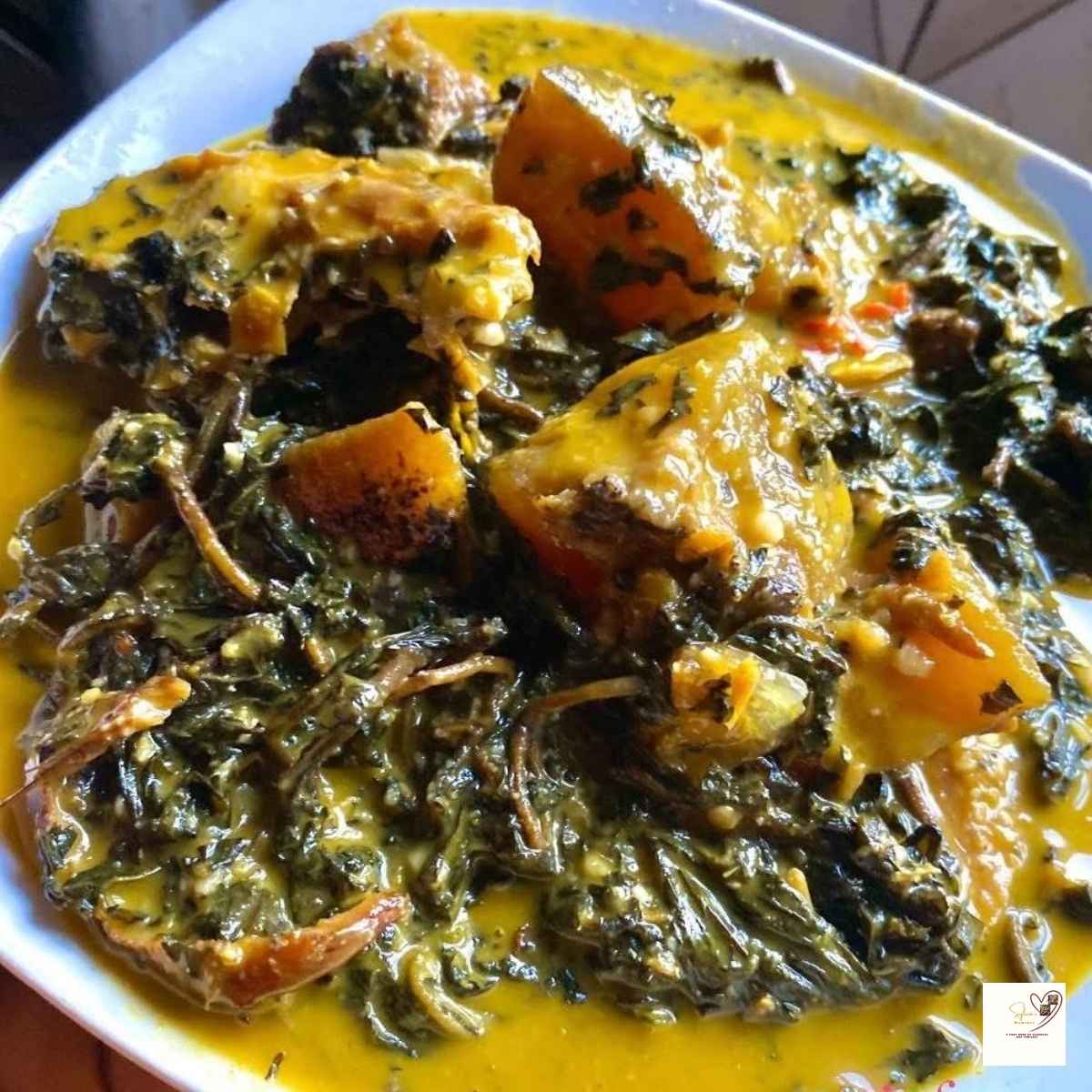
Growing up in Africa gave me memories I still carry with me today. One of the strongest memories comes from the rich aroma of African bitterleaf soup drifting through family gatherings and lively celebrations.
Traditional drummers filled the background with rhythmic beats while the earthy, comforting scent of the soup wrapped around the entire atmosphere. Those moments always brought warmth, laughter, and excitement to everyone present.
As a child, I looked forward to those gatherings, and over the years, they shaped my deep love for this beloved dish. Even now, every pot of African bitterleaf soup takes me back to those joyful moments from my upbringing. So, come along as I show you how to cook African bitterleaf soup the traditional African way while sharing the memories and flavors that made it so special to me.
African in Every Spoon: The Cultural Experience
African bitterleaf soup is a vital part of the culture. In West Africa, especially Nigeria, different ethnic groups have their own names: Igbos call it “Ofe Onugbu,” Yorubas say “Ewuro Soup,” and Hausas refer to it as “Miyan Shuwaka.” In East Africa, Swahili speakers call it “Mchicha Chungu,” and Ugandans call it “Mulunluza.”
Ingredients You’ll Need for the Perfect African Bitterleaf Soup
To make this soup in the African tradition, I always use a variety of ingredients, each contributing to the rich, savory flavor profile of the dish. Here’s what you’ll need:

The Vital Ingredient: Bitterleaf (Vernonia amygdalina)
As I grew older, I started appreciating the unique qualities of bitterleaf (Vernonia amygdalina), the heart of this traditional soup.
Bitterleaf brings a distinct slightly bitter flavor that gives the dish its authentic taste and character. Beyond its flavor, many people value it for its health benefits, especially its role in supporting digestion and overall wellness.
What makes bitterleaf special is the balance it creates in the soup. When prepared properly, the bitterness softens and blends beautifully with the rich ingredients, creating a deep and satisfying flavor.
Because fresh bitterleaf can taste very strong, I wash it thoroughly several times to reduce the bitterness while still keeping its unique flavor intact. That careful preparation makes all the difference in the final dish.
Fermented Locust Bean (Ogiri Igbo): Loaded with flavors and probiotics for nourishment and health.
Palm oil: This is a must for creating the rich, hearty base of the soup.
Home-made fresh banga extract is traditionally used in place of palm oil. With fresh banga extract, the fear of not so perfect palm oil will drastically drop as far as the palm kernels are fresh .
Beef: I prefer to use beef because of its rich flavors which blends well with other ingredients. Goat meet can also be used as a replacement to beef or both at the same time.
Fresh Habanero Pepper: Optional for flavor and spice.
Stockfish and dried fish: Adds depth to the broth, making it even more flavorful.
Snails (optional): For a more luxurious touch, snails can be added to the mix.
Crayfish: A common addition that provides an earthy, savory note.
Seasoning cubes and salt: To taste.
Cocoyam or thickener: Used to thicken the soup to the perfect consistency.
The Step-by-Step Guide to Cooking African Bitterleaf Soup
Now that we’ve gathered the ingredients, it’s time to get cooking. Here’s how you can recreate the traditional African bitterleaf soup in your own kitchen, just like we used to make it at home.
Step 1: Ingredient preparation
A. Wash the bitterleaf. As mentioned, it’s important to wash it thoroughly to remove most of its bitterness. I remember doing this as a child with a sense of pride, knowing it was my contribution to the family’s celebration.
Washing can take time, so be patient and rinse the leaves until the bitterness is reduced to your liking.
B. Cook the Meats
In a large pot, begin by cooking your beef and any other meats you plan to use. Add a little salt, seasoning cubes, and water. Cook until the meat is tender.
You can also add stockfish and dried fish at this stage to allow them to absorb the flavors. You can skip this stage if you are using already cooked proteins .
C. Blend or pound your crayfish and pepper .You can finely blend or pound your crayfish depending on your preferences. In situations where infants and adolescents are included in the meals, it is always advisable to finely blend your crayfish to avoid chocking .
D. Cook and Blend the Cocoyam: Cook fresh cocoyam till soft .Pound and blend to smooth paste.
Step 2: Adding oil in boiling water

Add water in the pot and boil. Once it starts boiling, add all the oil you would need to cook the amount of soup needed. This is because, water can be adjusted to get the right consistency unlike oil which will float on the soup if not well cooked.
Start with small amount of water, just enough to cover the meats and adjust as you go on cooking..
Step 3: Add blended Cocoyam Paste or thickener of choice

The smooth cocoyam paste should be added in small portions to the boiling meat stock. Stir the soup gently to help the cocoyam dissolve evenly.
As the cocoyam cooks, it begins to thicken the soup gradually. Allow the soup to simmer so the thickener can blend well with other ingredients. Adjust the consistency with water if the soup becomes too thick.
Step 4: Add washed Bitter leaf
 The amount of bitterleaf used depends on personal preferences .This is an importance step to enhance the flavor of African bitterleaf soup.It also thickens the soup slightly, complementing the blended cocoyam .Stir well and allow it to cook for 10-15 minutes
Step 5:Add Crayfish and Pepper Mix

Adding crayfish and pepper mix to bitterleaf soup brings depth and heat to the dish. The crayfish adds a rich, savory flavor that enhances the overall taste of the soup. Pepper, usually a blend of scotch bonnet or chili, gives the soup a spicy kick that balances the slight bitterness of the leaves.
This mix is often blended smoothly and added after the meat and stock have simmered well. It infuses the soup with a delicious aroma that makes it more appetizing.
The quantity can be adjusted to suit your heat tolerance and desired flavor intensity. Stirring it in evenly ensures that the taste is consistent throughout the soup.
Step 6:Add Meat and other proteins
 Adding cooked meat and snails to African Bitterleaf Soup makes the dish hearty and flavorful. These proteins absorb rich flavors of the soup while also contributing to its unique flavors. I love the feel of the proteins, because for me, it gives me a satisfying chew.
Step 7: Add fermented Locust Bean (“Ogiri Igbo”)
 Fermented locust bean is widely known for its umami flavor. It is brings out the traditional taste of African bitterleaf soup while blending smoothly with the flavors of other ingredients.
The number of scoop I add depends on my preference. Add bit by bit to get required taste and flavor.African food lovers
Step 8:Add seasoning to adjust the taste
 Once the locust bean is completely dissolved, add your seasoning. I add the seasoning lastly as an adjustment to the final taste of the soup. Therefore, I gradually add bit by bit.
Regional Variations of Bitterleaf Soup
Bitterleaf soup is a beloved West African delicacy with unique regional twists across Nigeria and beyond. Each ethnic group brings its flavor, ingredients, and cooking style, making this dish diverse and rich in culture.
Igbo Style (Ofe Onugbu): This Eastern Nigerian version is thick and hearty, made with cocoyam as a thickener, palm oil, assorted meats, stockfish, and a touch of ogiri for that traditional flavor.
Yoruba Style (Efo Ewuro): Lighter and less thick, this Southwest variation features bitterleaf sautéed with a tomato-pepper blend, palm oil, and locust beans (iru) for an authentic taste.
Efik/Ibibio Style: Popular in the South-South, this version often includes seafood like periwinkles and stockfish, giving it a rich coastal flavor. Sometimes, it is combined with other vegetables for extra depth.
Middle Belt Variation: Here, bitterleaf is mixed with egusi or ogbono, creating a nutty, slightly bitter soup often enjoyed with pounded yam or fufu.
Cameroonian Style: In Cameroon, bitterleaf soup takes on a nutty twist with groundnuts (peanuts) and spices like njansa, resulting in a creamy, mildly sweet taste.
No matter the region, bitterleaf soup remains a symbol of tradition and flavor. Serve it hot with your favorite swallow, and enjoy a taste of African heritage.
Pro tips for West Africa bitterleaf Soup
- Wash the bitterleaf thoroughly to remove the bitter taste.
- Add water bit by bit as you cook.
- Add thickener bit by bit to get the right consistency.
- Oil should be added only at the beginning of the cooking, enough but not too much.
How to wash bitterleaf for African bitterleaf Soup

One thing I always loved was being asked to wash the bitterleaf, a task I took great joy in, despite the fact that it sometimes seemed endless. As a child, it was my little contribution to the family meal preparation, and the simple act of washing those leaves became a cherished tradition in itself.
- After plucking the bitterleaf from the stem, sundry for 5-10 minutes. The aim is to reduce the moisture content and make the leaf more rigid before washing to avoid breaking.
- In cases where there is no sun ,I add some quantity of salt in a bowl and gently squeeze them in the fresh bitterleaf till both combine.
- Add water and continue squeezing with your hands till it gets foamy.
- Filter out the water and repeat the process till the water is clear and your bitterleaf is thor0ughly washed.
How to preserve washed bitterleaf
For long term storage, washed bitterleaf soup can be dried naturally or dehydrated and stored in zip lock bags for up to a year without refrigeration. Soak in water for about one hour before use.
Freshly washed bitterleaf could be portioned and stored in the freezer for over a year. For better result, allow it to naturally defrost on its own before use.
Health Benefits of African Bitterleaf Soup
Support Digestion: Bitterleaf helps to stimulate digestive enzymes ,easing bowel movement and reducing bloating or indigestion.
Lowers Blood Sugar: Bitterleaf has natural compounds that may help regulate blood sugar levels, making it beneficial for people with diabetes.
Rich in antioxidants: The soup contains bitterleaf and other ingredients that are high in antioxidants, which help fight free radicals and reduce the risk of chronic diseases.
Improves liver health :Bitterleaf is traditionally used to cleanse and support liver function, helping detoxify the body.
Boosts immunity :With vitamins like vitamin C and A, plus iron and zinc from meat and stockfish, bitterleaf soup can strengthen the immune system.
Anti-inflammatory properties :The soup’s ingredients help reduce inflammation, which is beneficial for conditions like arthritis.
Promotes heart health: Bitterleaf may help reduce cholesterol levels and improve circulation, contributing to better cardiovascular health.
What can I eat bitterleaf soup with?
African bitterleaf soup goes well with different kinds of swallow like Eba ,fufu and Pounded yam.
For a healthy option, I like to go for low-carb options like cabbage and coconut swallow.
Storage of well-cooked bitterleaf soup
I always portion the soup based on the volume of soup consumed per serving in my household.
Each portion is stored in soup containers.
 Refrigerate up to five days or store in the freezer up to three months. I highly advise people to allow the pot of soup to cool down completely ,before dishing into soup containers and storage to minimize spoilage and maintain taste.


Nice soup, i will follow this steps and prepare mine.
Thank you for this.
This was very insightful 🤩
I can’t wait to see moree🙌🏻
Yummy 😋😋😋😋😋😋, love your recipe for the soup especially the proteins, weldone dear, great African woman.
This looks so delicious. I love the way you took your time to explain everything about this sumptuous soup. Well done.