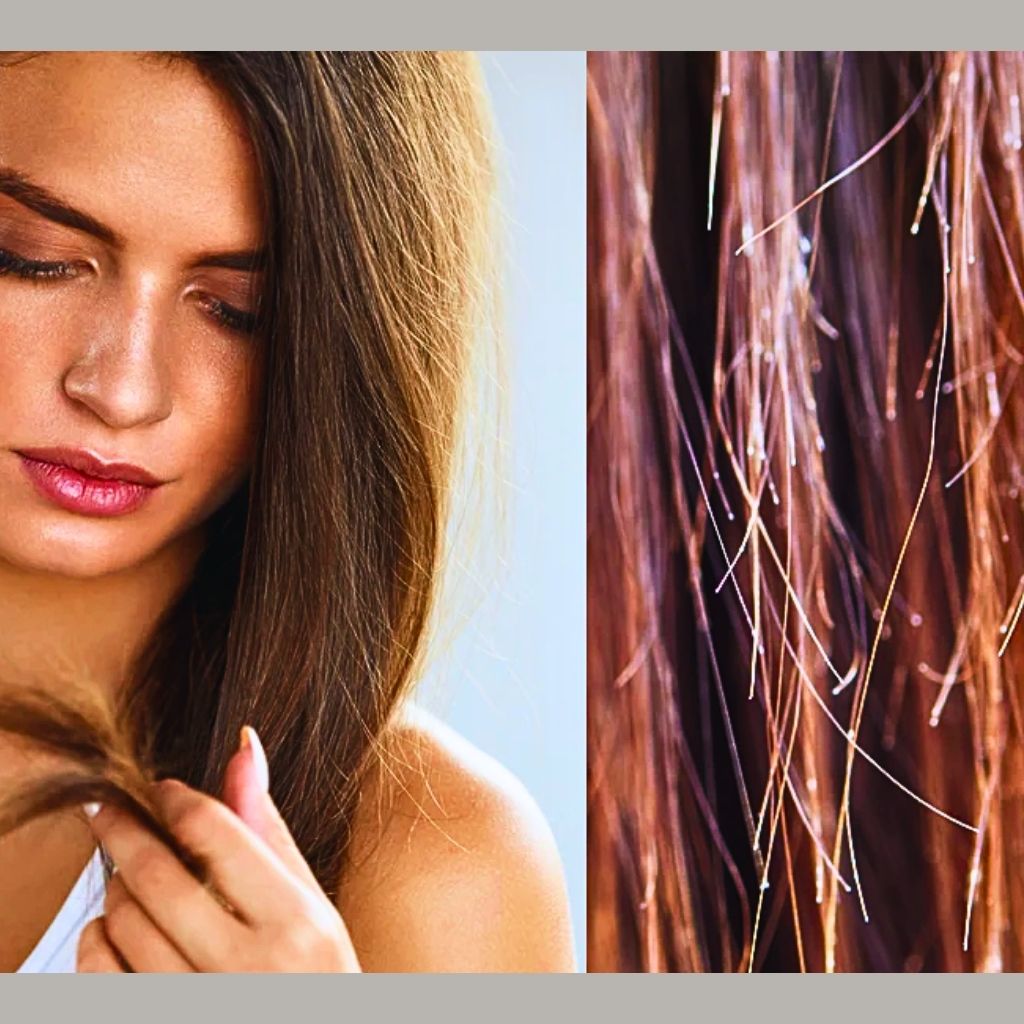
Split ends happen when the protective outer layer of the hair shaft (the cuticle) becomes damaged. Once that outer layer weakens, the inner hair fibers start to fray and split.

This usually shows up at the ends of your hair because they’re the oldest and most exposed part. However, severe damage can also cause splitting higher up the strand.
What Causes Split Ends?
1. Heat Styling Too Often
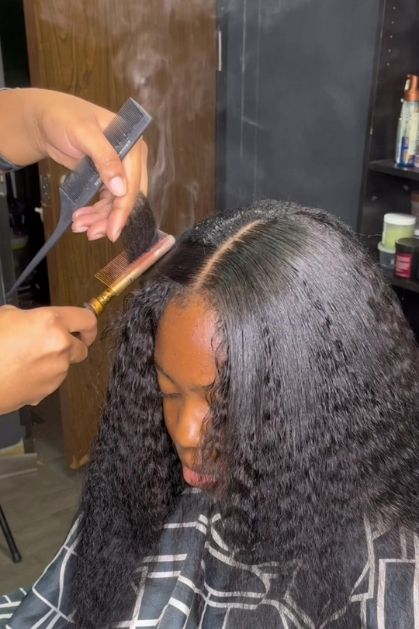
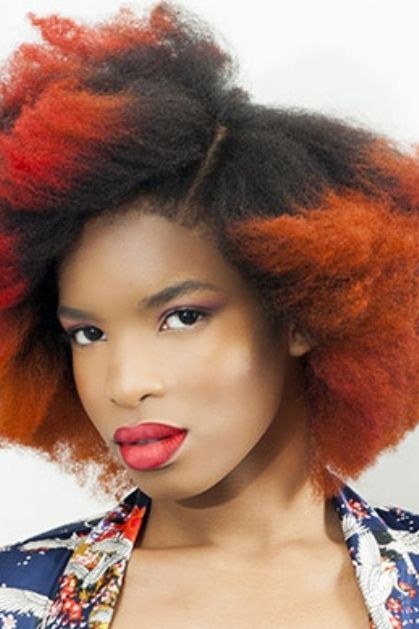
My younger sister treated hair dye like a personality test,one month honey blonde, the next cherry red, and suddenly copper because “it looked cute on Pinterest.” At first, we all admired her confidence. However, after one too many chemical treatments, her ends started looking like a tired broom arguing with humidity. She would swish her hair dramatically, and little broken pieces would follow like confetti. Eventually, she realized the joke was on her split ends. Chemical treatments can weaken hair by stripping away moisture and protein. So now, she spaces out treatments, deep conditions faithfully, and trims regularly to keep her hair healthy.
3. Overwashing
Overwashing may feel like the best way to keep your hair fresh, but it can actually do more harm than good. When you wash too often, you strip away your scalp’s natural oils. As a result, your hair becomes dry, brittle, and more likely to develop split ends. Instead, try spacing out wash days and using a gentle shampoo. Also, follow up with a good conditioner to lock in moisture. Meanwhile, pay attention to how your hair feels. If it looks dull or rough, that’s a sign to slow down. Healthy hair needs balance, not constant washing.

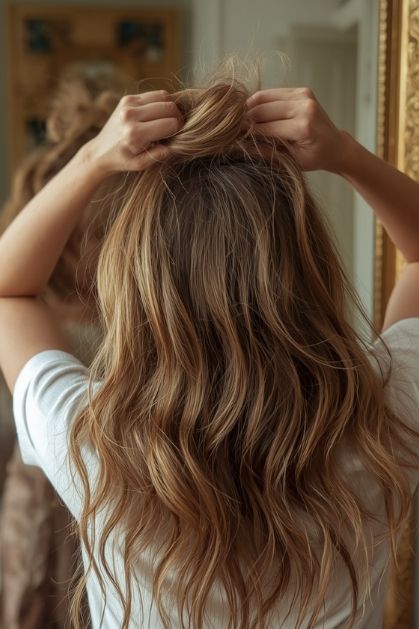
4. Rough Detangling
5. Lack of Trims ⇒ What Causes Split Ends and How to Protect Them Naturally
6. Sun, Wind, and Dry Air
Weather exposure can dehydrate hair, especially if you spend lots of time outdoors.
7. Friction From Pillowcases and Towels
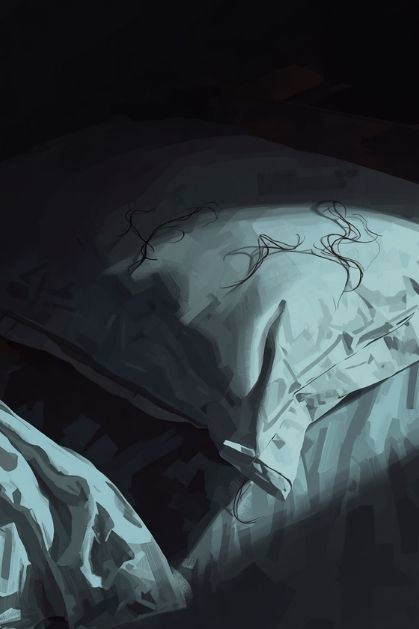
Friction from pillowcases and towels can quietly damage your hair and lead to split ends over time. When you rub your hair roughly after washing or sleep on rough fabrics, you create constant friction.
As a result, your strands weaken, become frizzy, and start breaking at the ends. Instead, you should gently pat your hair dry with a microfiber towel. Also, switch to satin or silk pillowcases to reduce nightly friction. Meanwhile, these small changes protect your hair while you sleep. So, by being more gentle daily, you prevent damage, reduce split ends, and keep your hair smoother and healthier.
8. Poor Hair Nutrition
Poor hair nutrition can quietly lead to split ends and weak strands over time. When you don’t get enough protein, vitamins, and healthy fats, your hair struggles to stay strong. As a result, it becomes dry, brittle, and more likely to break at the ends. Instead, you should focus on eating nutrient-rich foods like fruits, vegetables, eggs, and healthy oils. Also, drinking enough water helps keep your hair hydrated from within.
Meanwhile, consistency matters because good nutrition works gradually. So, when you nourish your body properly, you support stronger growth, reduce split ends, and improve overall hair health naturally.

Signs You Have Split Ends
- Hair feels rough at the ends
- Ends look thinner than the rest of your hair
- Tangling increases
- Hair looks frizzy even after styling
- You notice tiny white dots or splits at the ends
Can Split Ends Be Repaired Naturally?
Here’s the truth: once hair is split, the split cannot truly be fused back permanently. Some products can temporarily smooth the hair and make it look healthier, but trimming is the only way to fully remove damaged ends.
That said, natural care can help:
- prevent new split ends
- reduce further damage
- improve softness and shine
How to Protect Split Ends Naturally
1. Trim Regularly
A small trim every 8–12 weeks helps stop splits from spreading. You don’t need to cut off lots of length.
2. Deep Condition Weekly
Use a nourishing mask with ingredients like:
- shea butter
- coconut oil
- aloe vera
- avocado
This helps restore moisture and elasticity.
3. Seal Your Ends With Natural Oils
Light oils can help lock in moisture. Try:
- argan oil
- jojoba oil
- olive oil (small amount)
Apply mainly to the ends.
4. Reduce Heat
Air dry when possible. If you use heat, apply a protectant first and keep temperatures lower.
5. Be Gentle When Detangling
Use a wide-tooth comb and start from the ends, working upward slowly.
6. Sleep on Satin or Silk
A satin bonnet, scarf, or pillowcase reduces friction and helps preserve moisture overnight.
7. Protect Hair in Harsh Weather
Wear a hat in strong sun or cold wind. You can also use leave-in conditioner before going out.
8. Don’t Skip Leave-In Moisture
A lightweight leave-in conditioner helps protect your strands throughout the day.
9. Avoid Tight Styles Too Often
Very tight ponytails, braids, or buns can stress the hair shaft and lead to breakage.
10. Eat for Healthy Hair
Support your hair from within by eating:
- eggs
- fish
- nuts and seeds
- leafy greens
- beans
- plenty of water

Easy Natural DIY Treatments for Split Ends
Coconut Oil + Honey Mask
- 2 tbsp coconut oil
- 1 tbsp honey
Apply to mid-lengths and ends for 20–30 minutes.
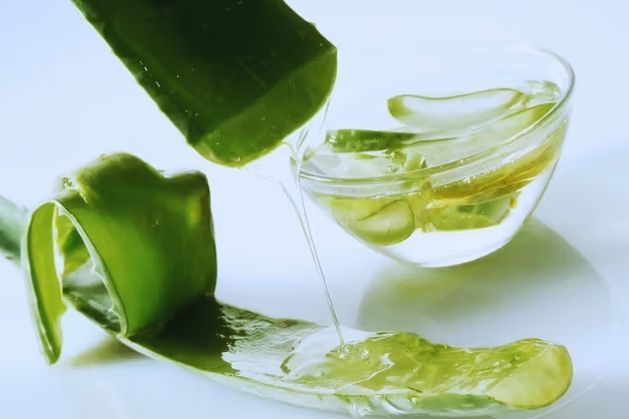
Aloe Vera Gel Treatment
Fresh aloe can help soothe and moisturize dry strands.
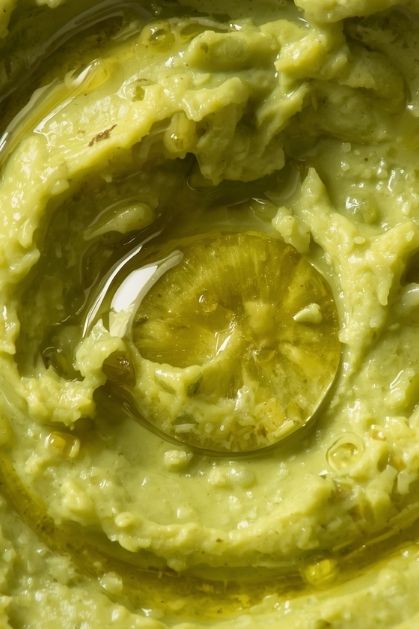
Avocado Hair Mask
Mashed avocado with olive oil adds softness and shine.
Everyday Habits That Help
- Pat hair dry instead of rubbing
- Avoid brushing hair aggressively
- Protect hair while swimming
- Use microfiber towels
- Limit chemical treatments
Conclusion on What Causes Split Ends and How to Protect Them Naturally
Split ends are frustrating, but they’re also manageable. Most of the time, they happen because hair is dry, stressed, or over-processed. The key is to combine regular trims with gentle, moisture-rich care.
When you protect your hair consistently, your ends stay smoother, your hair retains length better, and your overall hair looks healthier. Natural habits may seem simple, but over time, they make a big difference.
You Might also be interested in
15 low Maintenance Haircut That looks Expensive Without Effort