
Parenting is beautiful and exhausting at the same time. And nothing tests your patience like a child who just won’t listen. You ask once. Then again. Then maybe again. And somehow, they act like they didn’t hear a word. Kids have selective hearing. It happens to every parent. Even the calm ones. That’s why this post, What to Do When Kids Don’t Listen: Practical Tips for Parents, focuses on real strategies. Because theory is great. But practical solutions help you survive mornings, homework, screen time, and bedtime without losing your mind.
Listening is a skill. Kids learn it. And with the right tools, you can teach it.
Why Kids Don’t Listen in the First Place
Kids aren’t small adults. Their brains work differently. And sometimes, they simply cannot process what we say right away. For example, I once told my daughter to put her shoes on. She didn’t move. I repeated myself four times. I got frustrated. Then she calmly said, “I’m thinking.” She wasn’t ignoring me. She was deep in her imaginary world of dolls. That moment reminded me that kids process slower. They switch tasks slower. And they prioritize differently.
Often, lack of listening comes from fatigue, hunger, sensory overload, or intense focus on play. So before assuming defiance, it helps to ask: Is the child tired? Busy? Distracted? Hungry? Because those simple needs often explain a lot.

The Power of Calm Communication
Yelling doesn’t improve listening. It shuts listening down. According to UNICEF, ‘The way you communicate with your child not only teaches them how to communicate with others, it shapes their emotional development and how they build relationships later in life’. Kids respond better to calm tones. They absorb short, clear sentences. When I learned this, it changed everything. I once told my nephew, “Fold the laundry, put the shirts away, and then help with the towels.” His eyes glazed over. He froze. So I tried again: “Fold the blue shirts first.” He got up and did it. The secret? Direct and simple instructions.
Instead of long speeches, we should use short action sentences. “Shoes on now.” “Brush teeth please.” “Toys away.” Kids can follow one step. Then another. And because they don’t feel overwhelmed, they listen more quickly.

Setting Boundaries That Actually Work
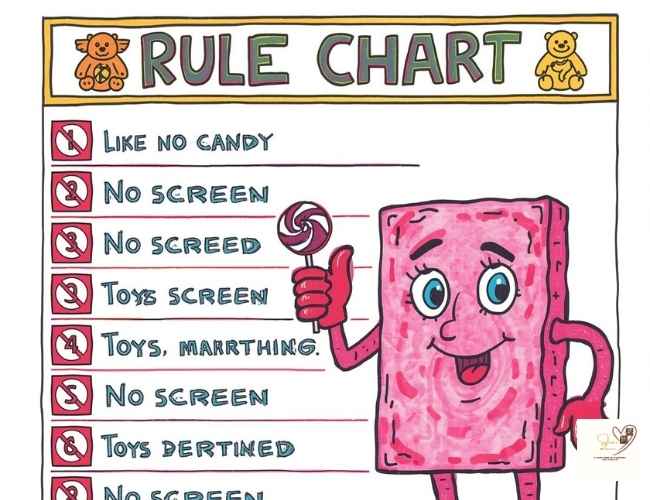
Kids need structure. Clear boundaries help them know what to expect. But the magic lies in consistency. When parents set a rule and stick to it, kids learn faster. I learned this lesson the hard way. One night, I said, “No sweets before dinner.” But I got tired and allowed chocolate anyway. The next day, the kids asked for candy before lunch. They remembered my inconsistency. Kids always do. So, rules must be simple, realistic, and steady.
Boundaries with clear and calm follow-through help kids understand what will happen next. It’s not about control. It’s about predictability. And kids thrive with predictability.
Practical Techniques That Improve Listening
Words alone sometimes don’t work. That’s why techniques help.
Use a countdown
Kids love countdowns. Infact, when I started saying, “3, 2, 1, shoes on… go!” mornings got smoother. My daughter went from dragging her feet to racing the countdown like a game. That tiny tweak turned stress into cooperation.
Give choices
Kids crave control. When you say, “Brush teeth now,” many resist. But when you ask, “Brush now or in two minutes?” they choose. And just like that⇒ they listen.
Use visual cues
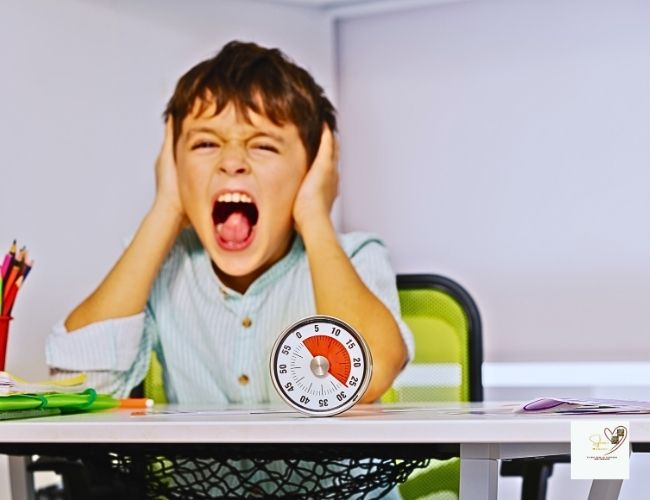
Timers, charts, or pictures give kids something to follow. My daughter used to ignore reminders to get dressed. But when I set a timer, she focused and moved faster. It became fun. And she listened without arguments.
Using Positive Reinforcement
Kids repeat behaviors that get attention. Especially positive attention. Instead of saying “Stop yelling,” try praising the opposite behavior. It works wonders. One day, I caught my child trying to zip her jacket alone. Usually, I would rush and help. Instead, I said, “Nice work trying!” Her face lit up. She zipped again with pride. And later, she listened more because the attention she got was positive, not critical.
Praise doesn’t have to be huge. A simple “I noticed” goes far.
Emotional Regulation Helps Listening
Kids often stop listening because they feel overwhelmed. Big emotions block hearing. Tantrums and tears are signs of overload ⇒ not disrespect. One grocery trip taught me that. My daughter refused to walk. She cried for cookies. My instinct was to lecture her. Instead, I knelt and said, “You look upset.” Her shoulders dropped. She calmed. And after a moment, she listened. Because when feelings are acknowledged, cooperation increases.
Teaching kids to name emotions ⇒ sad, mad, tired, frustrated, helps them express rather than explode.

Screen Time and Listening
Screens absorb attention. They hijack focus. Kids deep in a game cannot hear you. Not because they’re rude, but because they are fully immersed. I once told my son to clean his room while he was gaming. He didn’t move. I repeated. Nothing. But the moment he turned off the tablet, he started cleaning. That was a wake-up call. It taught me timing matters. Read Internet Safety for KIDS; Simple Digital Bounderies Every Parents Needs in 2025
So try:
- Screen-free transitions
- No instruction during screen time
- Clear routines around devices
Screens aren’t bad. But unmanaged screen time is a listening enemy.

How Kids Listen at School vs Home
Sometimes kids listen at home but not at school. Or the opposite. It helps to look for patterns. My neighbor once complained that her son ignored instructions in class, his teacher and her created a simple reward chart: complete three tasks, earn a short break. It changed everything for her. She said that her son felt understood. He felt supported. And he listened more. That story taught me that teamwork matters. When parents and teachers work together, kids benefit.
Partnership, not blame, is key.
Responsibility Improves Listening
Kids listen more when they feel capable. Small responsibilities matter. My daughter used to ignore morning instructions. Then I gave her one job: choose her socks. She glowed with pride. She listened better after that. Because responsibility builds confidence. Age-appropriate responsibilities as our babies turn into young adults will help them feel confident when advocating for themselves as adults .When kids feel included, they cooperate more.
Try:33
- feeding pets
- setting the table
- packing school bags
These tiny tasks help them practice listening skills naturally.
Teach Problem Solving, Not Just Obedience
Parents often fix problems for kids. But that prevents learning. One night, my son lost his homework. I used to find it for him. Instead, I asked, “Where do you think you left it?” He checked his desk. He found it. And next time, he checked there first. Listening improved because he felt responsible for his actions. Problem solving builds listening because it reinforces cause and effect.
Ask questions. Guide. Don’t always rescue.
Quick Action Checklist⇒ What to Do When Kids Don’t Listen: Practical Tips for Parents
⇒Short instructions ⇒ Countdown or timer
⇒ Choices
⇒Consistent boundaries
⇒Praise
⇒Emotional check-ins
⇒ Responsible tasks
⇒ Collaboration with teachers
When to Seek Help
Not listening can sometimes signal deeper concerns. If:
- It happens constantly
- Emotions shift suddenly
- Attention seems impossible
Then support can help. A counselor or doctor can offer insights. And seeking help is strength⇒ not failure.
Conclusion⇒ What to Do When Kids Don’t Listen: Practical Tips for Parents
Listening isn’t automatic. Yes, It’s learned. Kids need repetition, modeling, and patience. They need empathy and direction. And while bad days happen, progress builds slowly. Try one tool today. Then another tomorrow. Over time, small changes shape big results.
And remember⇒ you’re raising a human. Not a robot. Listening grows through connection, not control.
You’re doing better than you think.

Other Interesting Reads
Internet Safety for Kids, Simple Healthy Digital Boundaries Every Parents Need
How to Have a more Relaxing and Stress Free Christmas