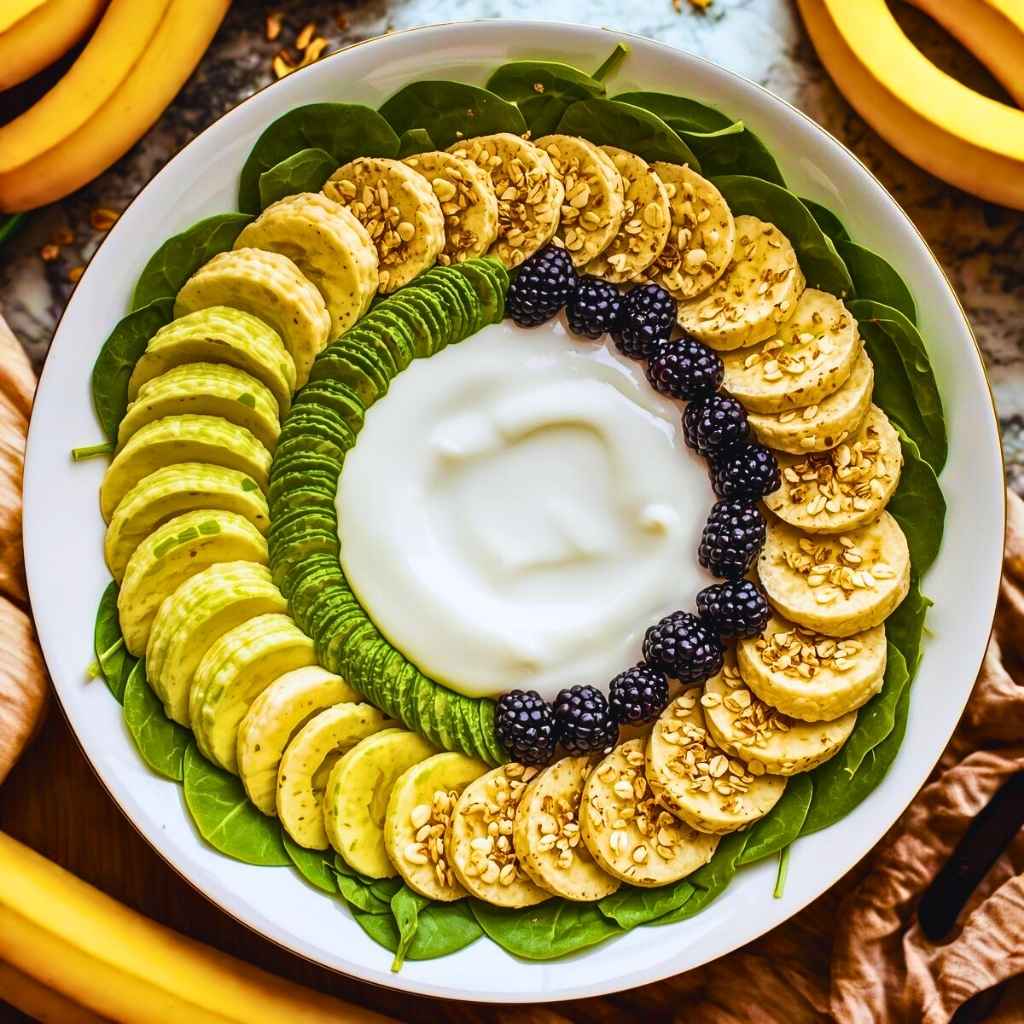
In this post, we’re diving into 45 Magnesium-Rich Foods For Better Sleep And Energy you can easily add to your meals , not only to help you sleep better, but also to feel more energized naturally.
Have you ever wondered why some nights you sleep like a dream while on others you toss, turn, and wake up tired? Or why midday energy crashes seem almost inevitable? Well, one nutrient that plays a surprisingly big role in both sleep quality and daily energy is magnesium — a mineral involved in over 300 processes in the body. Most adults need about 310–320 mg per day for women and 400–420 mg per day for men
Experts note that most adults do not get enough magnesium from food alone, even though it’s essential for muscle relaxation, nerve function, energy production, and more .And yes, we’ll show you where these figures come from so you can trust the science behind the recommendations. Ready to feel more rested and revitalized? Let’s go.
Why Magnesium Matters for Sleep and Energy (Quick Overview)
First and foremost, magnesium helps regulate neurotransmitters like GABA and serotonin that calm the nervous system and support sleep. It also helps your muscles relax and supports energy production throughout the day. Without enough magnesium, you might feel restless at night or sluggish during the day, even if your diet seems “healthy” otherwise .
According to health experts, magnesium also plays a role in heart rhythm, blood pressure maintenance, and protein synthesis ⇒ all of which contribute to how your body feels and functions daily .
With that in mind, let’s explore foods you can add to your diet that are naturally high in magnesium.
Section 1 Leafy Greens ⇒ Nature’s Magnesium Boosters
Leafy greens deserve the spotlight because their chlorophyll-rich structure literally contains magnesium at the center of its molecule. In fact, cooked spinach can contain up to 157 mg of magnesium per serving nearly half of what many adults need in a day .
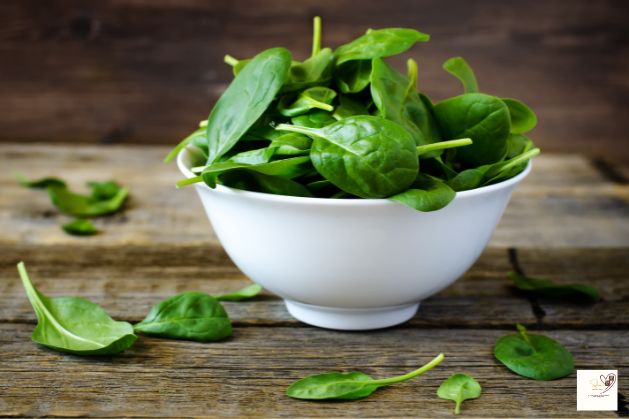
1.Spinach (cooked)
1-cup (180-g) serving of cooked spinach has 158 mg of magnesium . First, spinach delivers a powerful magnesium boost that supports muscle relaxation. Because it’s rich in chlorophyll, it also helps calm the nervous system.
2. Swiss chard (cooked)
1/2 cup of Swiss chard provides 75 mg of magnesium. Swiss chard provides magnesium alongside potassium and antioxidants. Its slightly bitter taste pairs well with soups and stir-fries. Consequently, it supports heart health and daily vitality.

3. Kale ⇒ 45 Magnesium-Rich Foods For Better Sleep And Energy
1 raw cup of chopped kale contains 22.78 of magnesium. Although kale is known for vitamin K, it also contains useful magnesium. When cooked lightly, it becomes easier to digest and absorb. Therefore, it contributes gently to energy production.
4.Collard greens
1/2 cup of collard green contains 25 mg of magnesium. Meanwhile, collard greens offer magnesium with fiber and calcium. They support digestion while keeping muscles relaxed. Over time, this combination improves overall body balance
5.Beet greens ⇒ 45 Magnesium-Rich Foods For Better Sleep And Energy
1 cup of cooked Beet Green without salt contains 97.92mg of magnesium. Surprisingly, beet greens contain more magnesium than the root itself. They also help with blood flow and oxygen circulation. As a bonus, they support nighttime relaxation.
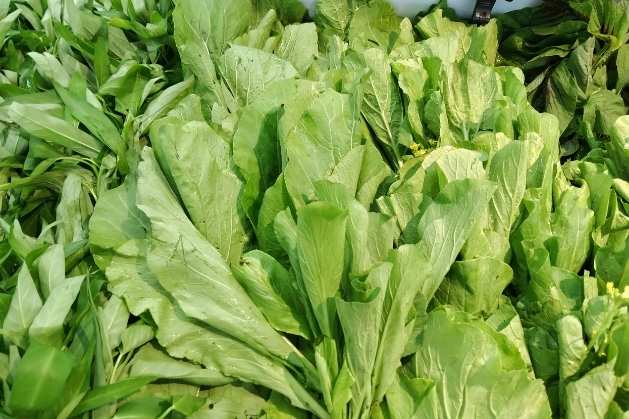
6. Mustard greens
These greens are versatile , throw them in smoothies, soups, pastas, stir-fries, or salads to boost magnesium and overall nutrition.
Section 2: Nuts & Seeds ⇒ Crunchy Magnesium Powerhouses
Nuts and seeds are among the richest plant-based sources of magnesium. In fact, one ounce of pumpkin seeds can provide over a third of your daily value of magnesium — that’s powerful for such a small snack .
7.Pumpkin seeds (pepitas)
Pumpkin seeds, also known as pepitas, are known for their impressive magnesium content, offering 156 milligrams per ounce, which covers 37% of the Daily Value (DV). Notably, pumpkin seeds are one of the richest magnesium sources. Just a small serving delivers powerful mineral support.
8.Chia seeds
One Ounce of Chia Seed gives 23% of the DV of magnesium, around 95mg per ounce. In addition, chia seeds provide magnesium with omega-3 fats. They absorb liquid and support gut health. Because of this, they promote long-lasting energy.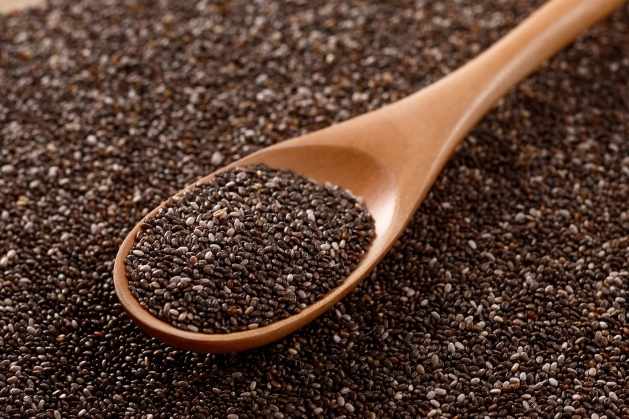
9. Flax Seeds ⇒ 45 Magnesium-Rich Foods For Better Sleep And Energy
1 tb spoon ground contains 13.3 mg of magnesium. Often lacking in the Western diet, magnesium plays important roles in many bodily processes.
10. Sunflower seeds
1 cup of sunflower seed supplies 173mg of magnesium. On the other hand, sunflower seeds are mild yet nutrient dense. They support nerve function and relaxation. Consequently, they help ease daily stress.
11.Almonds
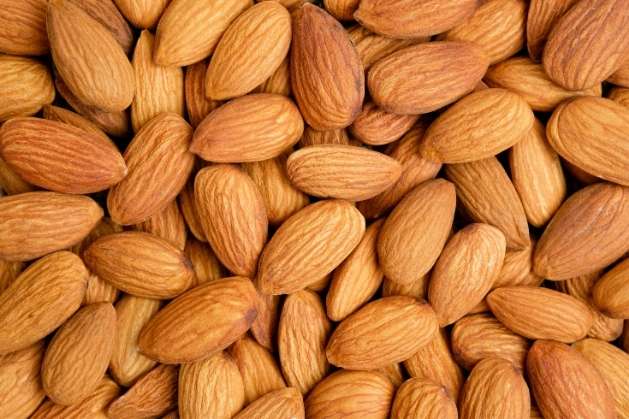
1 cup of a whole almond, dry. roasted without salt supplies 385 mg of magnesium, Equally important, almonds supply magnesium and healthy fats. They keep you full while supporting muscle function. Therefore, they’re ideal for sustained energy.
12.Cashews
1 ounce of roasted cashew nut supplies 72 mg of magnesium.
13. Brazil nuts
14. Sesame seeds
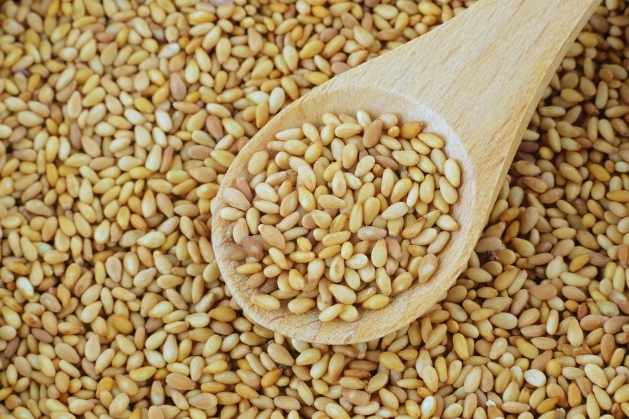
Magnesium content: ~95 mg per 3 tablespoons of sesame seeds . Sesame seeds are tiny yet powerful, offering essential minerals that support nerve function and muscle relaxation. In addition to healthy fats and fiber, they provide magnesium that helps regulate energy production and stress response.
15. Hemp seeds ⇒ 45 Magnesium-Rich Foods For Better Sleep And Energy
Hemp seeds contain about 210 mg of magnesium per 3 tablespoons (50% of the Daily Value).
16. Pili nuts
Pili nuts also contain one of the highest amounts of magnesium of all common tree nuts. A 30-gram serving provides 85mg magnesium (19% of the daily value). Magnesium is an essential mineral for muscle and nerve function, energy production, blood sugar levels, bone health, and can help foster stable blood pressure and better sleep.
Section 3: Healthy Whole Grains ⇒ Energy & Magnesium Fuel
Whole grains are rich in magnesium and slow-digesting carbohydrates, which keeps your energy steady and helps your body stay full longer.
17.Quinoa
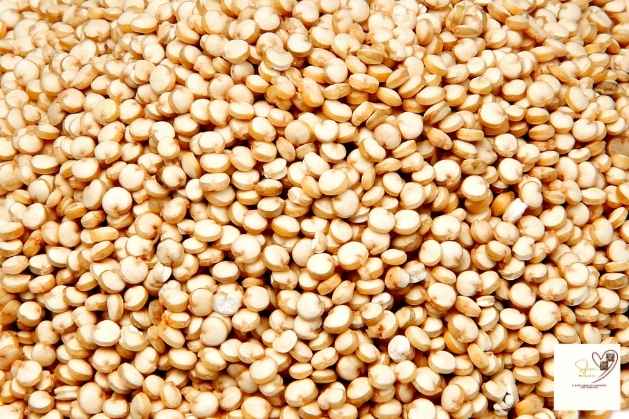
1/2 cup of cooked quinoa supplies 60 mg of magnesium.
18. Brown rice
Unlike white rice, brown rice is typically a good source of magnesium. The average serving of cooked brown rice, about 1/2 cup, can provide around 11 percent of your daily recommended amount of magnesium.– ~84 mg per cup cooked
19.Buckwheat
Cooked buckwheat provides about 86.7 mg of magnesium per cooked cup alongside other nutrients like fiber and protein.Although gluten-free, buckwheat is mineral rich. It supports circulation and nervous system health.
20. Oats ⇒ 45 Magnesium-Rich Foods For Better Sleep And Energy
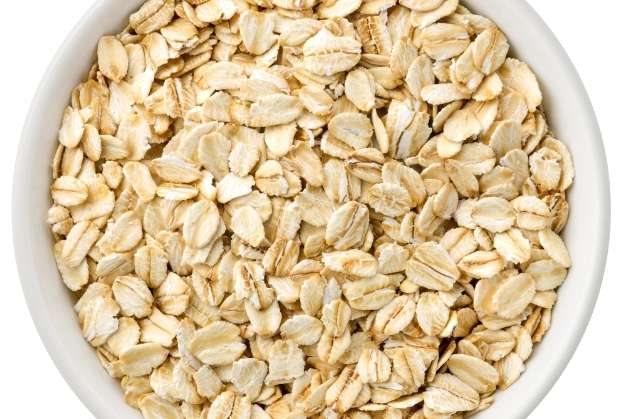
Oats are a hearty whole grain that keep you full and provide steady energy, and they’re also a good source of magnesium to support muscle and nerve function. According to nutrition data, 100 g of oats provides around 177 mg of magnesium, making them a smart addition to meals like oatmeal or grain bowl
21.Barley
Good source of magnesium and fiber
22.Whole wheat bread
1 slice of a whole-wheat bread, commercially prepared contains 24 mg of magnesium.
Section 4: Beans & Legumes ⇒ Plant Protein + Magnesium
Beans and legumes are nutritional powerhouses , high in both fiber and magnesium. They’re incredibly versatile in a wide range of recipes.
23. Black beans
1-cup (172-g) serving of cooked black beans contains an impressive 120 mg of magnesium , which is 29% of the DV. Contains 120 mg of magnesium per cooked cup
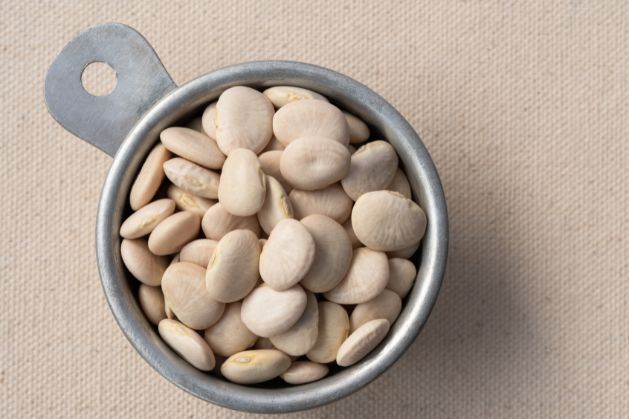
24.Lima beans
1/2 cup of cooked Lima beans contains 40 mg of magnesium.
25. Kidney beans
Rich in magnesium and fiber.100g of fresh, boiled and drained red kidney beans contains 15mg mg magnesium.
26. Chickpeas ⇒ 45 Magnesium-Rich Foods For Better Sleep And Energy
1-cup (164-gram) serving of cooked chickpeas offers 19% of the DV of magnesium. It is versatile for salads and hummus.
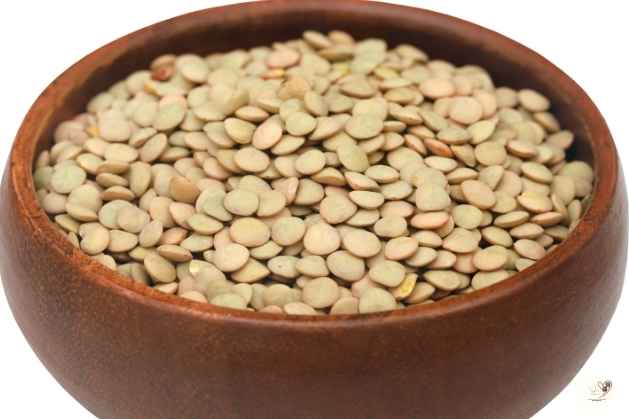
27.Lentils
Meanwhile, lentils offer magnesium and folate. They fuel the body while supporting the brain. Over time, energy improves naturally.
28. Edamame
1/2 cup of cooked or prepared edamame provides 50 mg of magnesium.
29. Peas ⇒ 45 Magnesium-Rich Foods For Better Sleep And Energy
1/2 cup of Green peas has 31 mg of magnesium.
Section 5: Fruit & Veggies ⇒Naturally Nutritious
Fruit and vegetables often get overlooked for magnesium, but many varieties provide meaningful amounts.
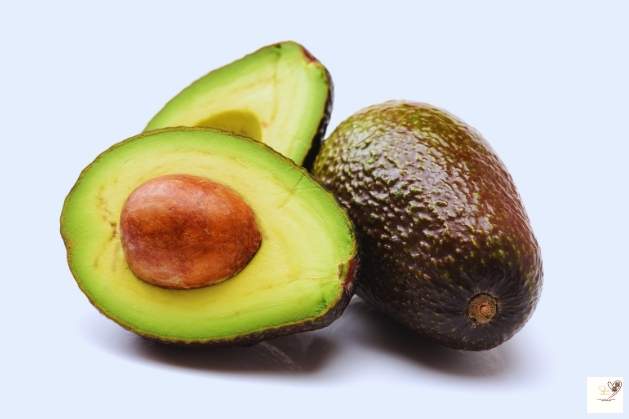
30.Avocado
One whole avocado has 58 mg of magnesium. In addition, avocado combines magnesium with healthy fats. It supports nerve and heart function. Consequently, energy remains stable.
31.Bananas ⇒ 45 Magnesium-Rich Foods For Better Sleep And Energy
32 mg of magnesium per medium banana
32.Blackberries
29 mg of magnesium per cup of blackberries
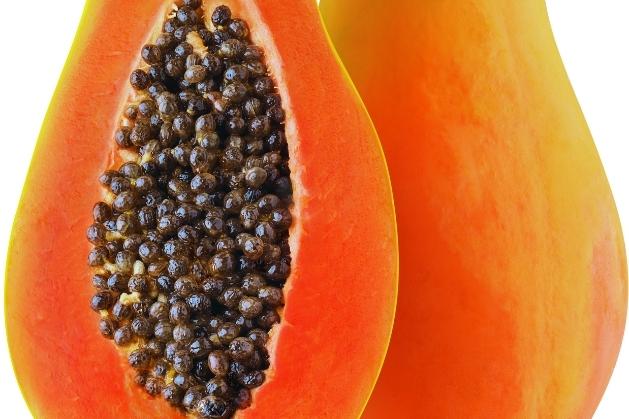
33.Papaya ⇒ 45 Magnesium-Rich Foods For Better Sleep And Energy
33 mg of magnesium per serving of small papaya
34. Kiwi
1 cup of sliced Kiwi fruit, green and raw provides 31mg of magnesium plus vitamin C
35. Sweet potatoes (with skin)
i medium sweet potatoes , cooked, baked in skin, flesh, with salt provides 31mg of magnesium plus beta-carotene
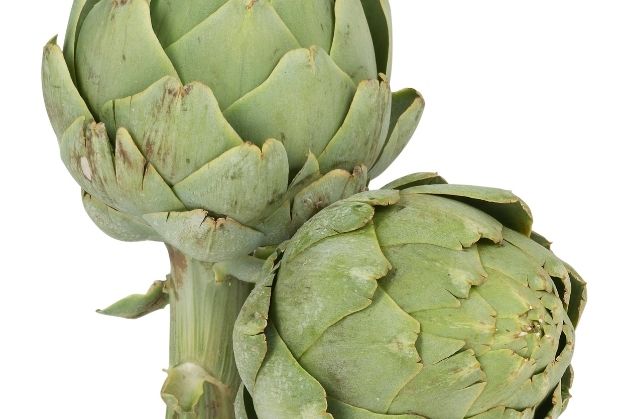
36. Artichokes
Moderate amounts of magnesium
37. Okra
Okra is rich in magnesium, [14 percent of DV], folate, fiber, antioxidants, and vitamins C, K1, and A.
These foods are also rich in antioxidants and fiber, which support digestion and stable blood sugar, essentials for sustained energy.
Section 6: Dairy & Alternatives ⇒ Sleep-Supporting Options
Dairy and milk alternatives provide not only magnesium, but also calcium, protein, and probiotics (especially yogurt), which can help with both muscle relaxation and digestion.
38.Yogurt (plain, low-fat) ⇒ 45 Magnesium-Rich Foods For Better Sleep And Energy
Contains 42 mg of magnesium per 8 oz

39. Milk (non-fat) ⇒ 45 Magnesium-Rich Foods For Better Sleep And Energy
1 cup of milk gives 24 to 27 mg of magnesium.
40. Kefir
This popular fermented milk product is widely touted for its health benefits. Kefir is nutritious, high in probiotics, and easy to digest. Provides 7% of magnesium DV.
41. Soy milk
1 cup of soymilk contain 61.25 mg of magnesium.
Enjoy these at breakfast, snacks, or dessert — or use them in smoothies for a magnesium-rich boost.

Section 7: Fish & Protein ⇒ Energy and Nutrient Balance
While animal products are not the richest sources of magnesium, some fish and lean proteins do contribute to overall intake while supporting muscle repair and sustained energy.
42. Salmon ⇒ 45 Magnesium-Rich Foods For Better Sleep And Energy
3.5-oz. (100-g) serving of cooked salmon packs 30 mg of magnesium, which is 7% of the DV. moderate magnesium plus omega-3s
43.Mackerel
Data from the USDA shows that one 3.5-ounce serving (100 grams) of raw Atlantic mackerel provides 76mg of magnesium.

44. Tofu (soy product)
Contains 53 mg of magnesium per 3.5 oz and great plant protein
45.Halibut
A serving of halibut provides 42% of your dietary needs and lean protein.
These foods pair beautifully with whole grains and greens for balanced meals that fuel your body throughout the day.

Simple Ways to Eat More Magnesium Every Day
Adding magnesium-rich foods doesn’t have to feel complicated. Here are practical ideas you can start with right now:
- Sprinkle pumpkin seeds or chia seeds on yogurt or oatmeal.
- Add spinach or kale to smoothies.
- Swap regular rice for quinoa or brown rice.
- Snack on nuts and seeds instead of chips.
- Use avocado in toast, salads, or smoothies.

- Add beans to soups, tacos, and salads.
Even small changes like these add up over time — and your sleep and energy can improve gradually and naturally.
Frequently Asked Questions on Magnesium-Rich Foods
1. What are magnesium-rich foods?
Magnesium-rich foods are natural foods that contain high levels of magnesium, a mineral essential for muscle function, sleep, energy production, and nerve health. Examples include leafy greens, nuts, seeds, whole grains, legumes, and some fruits.
2. Why is magnesium important for the body?
Magnesium helps regulate muscle relaxation, nerve signals, blood sugar levels, and energy production. In addition, it plays a key role in improving sleep quality and reducing fatigue.
3. Can magnesium-rich foods help with sleep?
Yes, magnesium-rich foods can support better sleep by calming the nervous system and helping muscles relax. Foods like pumpkin seeds, oats, leafy greens, and bananas are especially helpful when eaten regularly.
4. How much magnesium do adults need daily?
Adult women typically need about 310–320 mg of magnesium per day, while adult men need about 400–420 mg. However, individual needs may vary based on age, activity level, and health conditions.
5. What are the best plant-based sources of magnesium?
Some of the best plant-based magnesium sources include spinach, Swiss chard, pumpkin seeds, chia seeds, almonds, black beans, quinoa, oats, and avocado.
6. Can magnesium-rich foods help boost energy?
Absolutely. Magnesium helps convert food into energy at the cellular level. As a result, eating magnesium-rich foods can reduce tiredness and improve daily stamina.
7. Are fruits high in magnesium?
While fruits generally contain lower magnesium than nuts or grains, some fruits like bananas, avocados, papaya, blackberries, and kiwi still contribute meaningful amounts when eaten regularly.
8. Is it better to get magnesium from food or supplements?
Getting magnesium from food is usually better because whole foods provide fiber and other nutrients that help absorption. Supplements may be useful when recommended by a healthcare provider.
9. What are signs of low magnesium intake?
Common signs may include muscle cramps, fatigue, poor sleep, headaches, and low energy. Over time, low magnesium intake can also affect heart and bone health.
10. Can eating too much magnesium-rich food be harmful?
It’s very difficult to get too much magnesium from food alone. Excess magnesium is more likely to come from supplements rather than natural food sources.
11. Do magnesium-rich foods help with stress?
Yes, magnesium supports the nervous system and helps regulate stress hormones. Therefore, regularly eating magnesium-rich foods may help you feel calmer and more balanced.
12. What is the best time to eat magnesium-rich foods?
Magnesium-rich foods can be eaten at any time of day. However, eating them in the evening may help promote relaxation and better sleep for some people.
13. Are magnesium-rich foods good for kids?
Yes, magnesium-rich foods like whole grains, legumes, fruits, and vegetables are safe and beneficial for kids, supporting growth, energy, and overall health.
Yes, magnesium helps muscles relax and contract properly. Therefore, including magnesium-rich foods may reduce muscle cramps and stiffness over time.
15. How can I easily add more magnesium-rich foods to my diet?
You can add seeds to oatmeal, swap white grains for whole grains, include leafy greens in meals, snack on nuts, and use beans or lentils in soups and salads.
Final Thoughts: 45 Magnesium-Rich Foods For Better Sleep And Energy
Looking for better sleep and natural energy doesn’t have to mean fancy supplements or complicated routines. Instead, it often starts with what’s already on your plate: nutrient-dense foods full of magnesium, fiber, healthy fats, and antioxidants.
Whether you enjoy leafy greens, nuts and seeds, legumes, whole grains, dairy, or fish, there’s a magnesium-rich option for nearly every taste and meal preference. As you build meals around these choices, you’re not only helping your sleep and energy , you’re supporting your overall health in a deeply meaningful way.
Here’s to better rest, brighter mornings, and energized days, all powered by the way you nourish your body naturally.
Other Interesting Blog Articles
50 high Fiber Food That Should Be on Your Diet
Ginger Water and Breastfeeding
20 Sweet Strawberry Desert Recipe For Valentine
15 Indoor Valentine Picnic Ideas For Couples