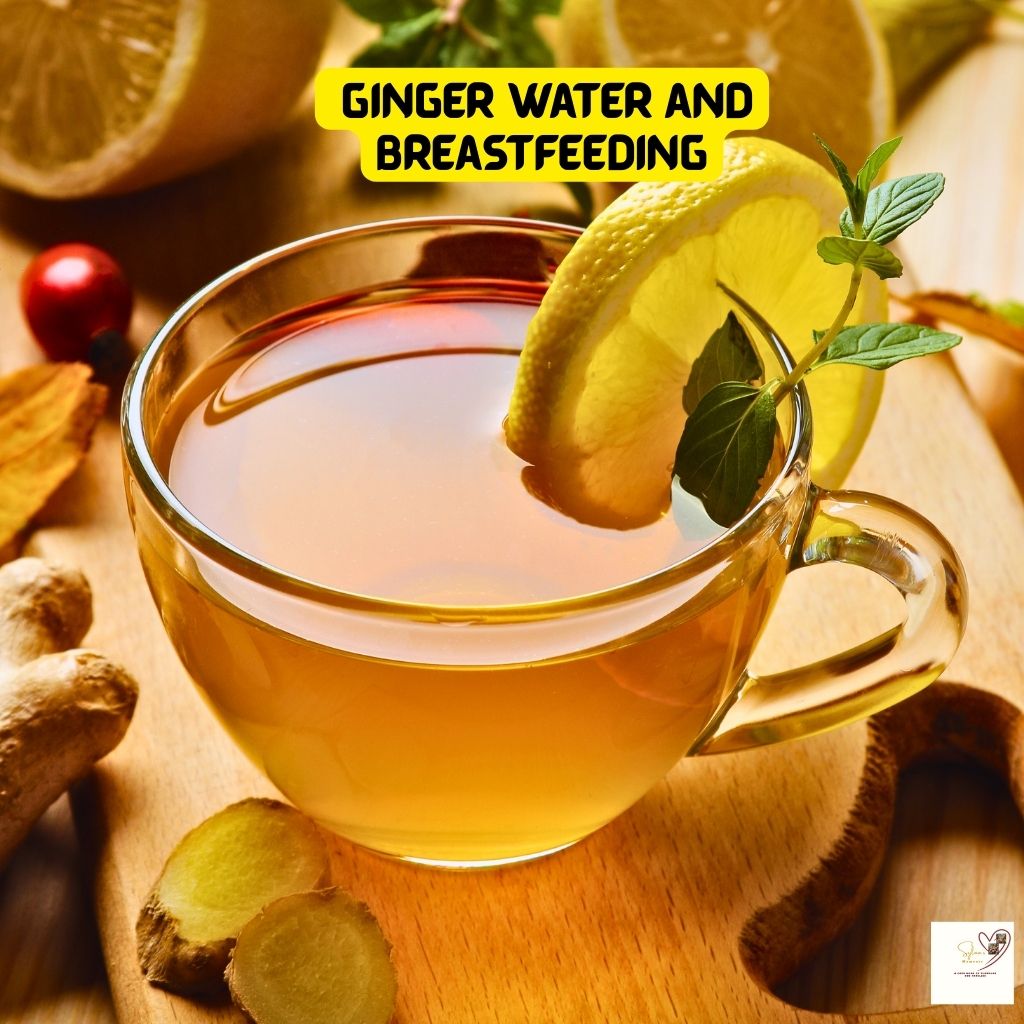
As we dive into this topic Ginger Water and Breastfeeding ”From the Table of Health Experts”, we’ll look at what health experts say, how ginger works in the body, and whether ginger water fits safely into your breastfeeding journey.
One quiet morning, while rocking my newborn and trying desperately to stay awake, I reached for a warm cup of ginger water. Surprisingly, it became my small moment of peace. Meanwhile, the baby slept better than I did. As I sipped it, I realized how much little rituals like this matter in motherhood. Although it’s not a miracle drink, ginger water brought comfort, warmth, and calm on days when everything felt overwhelming. That moment inspired me to learn more about Ginger Water and Breastfeeding ”From the Table of Health Experts”, just to be sure I wasn’t sipping something unsafe. Thankfully, the research offered peace of mind.
Surprisingly, ginger has been used for centuries, and although it looks simple, it carries impressive properties. Yet, as comforting as that cup of warm ginger water feels, it’s still important to understand how it affects breastfeeding. So, let’s walk through the expert-backed facts—gently, clearly, and with your wellness in mind.
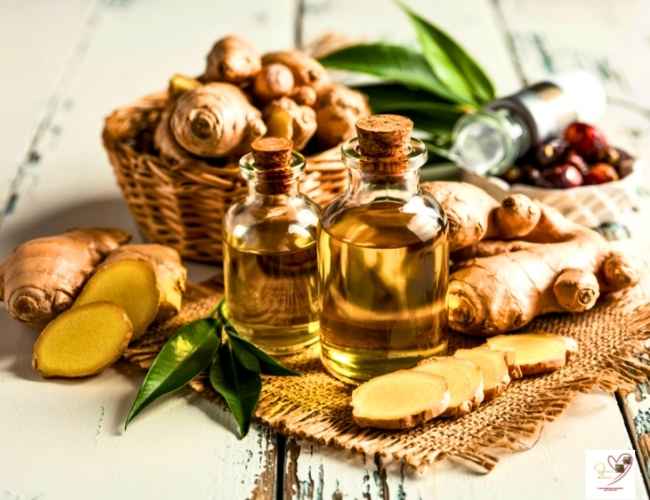
What Exactly Is Ginger Water?
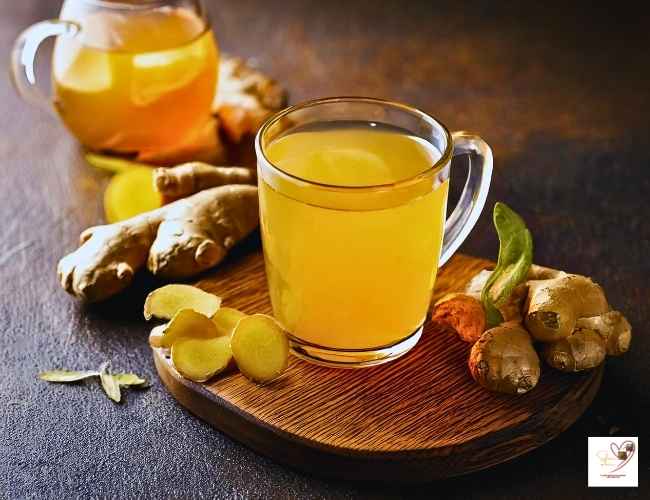
Ginger water is simply fresh ginger simmered or soaked in water. It creates a warm, soothing drink that many breastfeeding mothers enjoy. Because ginger has natural anti-inflammatory and anti-nausea properties, moms tend to turn to it when recovering from childbirth or managing postpartum digestion.
However, even though ginger water feels harmless, it’s still a herb. And herbs can affect the body differently depending on dose, frequency, and a mother’s health. That’s why we rely on recognized health organizations to guide our decisions.
Ginger Water and Breastfeeding: What Health Experts Say
Before taking any herbal drink while breastfeeding, it’s helpful to check what the experts say. Fortunately, several reputable American health bodies have weighed in on ginger.
a. The NIH Office of Dietary Supplements
The National Institutes of Health Office of Dietary Supplements states that ginger is “likely safe in normal food amounts” for most adults. However, they also emphasize that high doses of herbal supplements may pose risks for breastfeeding mothers.
b. National Center for Complementary and Integrative Health (NCCIH)
The NCCIH explains that ginger is well-tolerated and commonly used for nausea, digestion, and inflammation. Still, they recommend caution when herbs are taken in concentrated forms during breastfeeding because babies may react differently.
c. La Leche League International
La Leche League encourages mothers to research herbs carefully. They explain that herbs like ginger may impact milk supply depending on the mother’s body, hydration, and frequency of use.
d. InfantRisk Center
The InfantRisk Center, a leading source of breastfeeding safety information, lists ginger as “generally safe” when used moderately, although large amounts may influence bleeding or digestion.
Together, these organizations show a clear pattern: ginger water is safe for breastfeeding moms when consumed in moderation.

Benefits of Ginger Water to Breastfeeding Mothers
Now that we understand its safety profile, let’s explore the benefits and what ginger water contributes to postpartum wellness.
1. Ginger Supports Digestion
Many new moms experience bloating, indigestion, or slow digestion after childbirth. Interestingly, ginger speeds up stomach emptying and reduces discomfort. This makes ginger water a gentle, soothing choice.
2. Ginger Helps Reduce Nausea
If you’re a breastfeeding mom who still gets occasional nausea, ginger may help. In fact, the Harvard medical school recognizes ginger as an effective remedy for nausea.
This same gentle effect continues postpartum.
3. Ginger Has Anti-Inflammatory Properties
After childbirth, your body goes through a powerful recovery phase. Because of its natural anti-inflammatory compound called gingerol, ginger water helps soothe inflammation and discomfort.
4. Ginger Water Helps Hydration
Hydration is essential for breastfeeding. Even mild dehydration can affect mood, energy, and milk flow. Ginger water encourages more fluid intake because it tastes warm, soothing, and comforting, especially on long, tiring days.
5. Ginger May Support Milk Flow (Anecdotally)
Although scientific evidence is limited, many cultures use ginger to support milk supply. In Southeast Asia, ginger soups and teas are popular postpartum meals. While experts don’t confirm strong galactagogue effects, moderate use appears safe and potentially beneficial.
According to La Leche League, herbal effects differ widely by person, so caution is wise.
Possible Side Effects of Ginger Water While Breastfeeding
Even though ginger water and breastfeeding pair well for most mothers, awareness is key. Because every body responds differently, these potential side effects may appear:
In general: moderation prevents most issues.
How Much Ginger Water Is Safe While Breastfeeding?
Health organizations do not give an exact limit for breastfeeding mothers. However, based on all available evidence, most lactation experts recommend:
- Though the Food and Drug Administration says that consuming up to 4 grams of ginger per day is safe, most studies use smaller amounts
- Avoiding highly concentrated ginger supplements
- Avoiding more than 4 grams of ginger per day
If you take medication for diabetes, blood pressure, or clotting, speak with a healthcare provider before using ginger regularly.
How to Make Safe Ginger Water for Breastfeeding Mothers
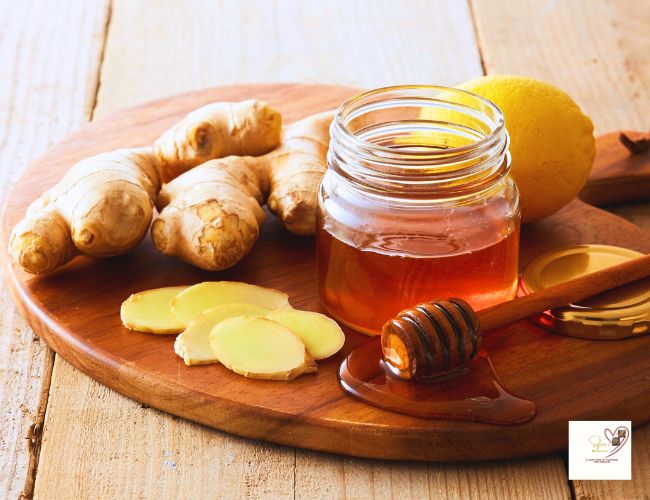
Here’s a gentle, safe recipe that keeps ginger levels moderate.
Ingredients
-
1–2 inches fresh ginger root
-
3 cups water
-
Honey or lemon (optional)
Instructions
-
Wash and peel the ginger.
-
Slice it thinly to release flavor.
-
Bring water to a gentle boil.
-
Add ginger and simmer for 10–12 minutes.
-
Strain and sweeten lightly.
-
Drink warm or cool.
This mild version works well for breastfeeding mothers because it avoids highly concentrated doses.
Can Ginger Water Increase Breast Milk Supply?
Here’s the truth:
Scientific research does not prove that ginger increases milk supply. However, many mothers report that warm fluids in general→ including ginger water, help promote relaxation, hydration, and flow.
Lactation experts say that the warm temperature, not necessarily the ginger, might be the helpful factor.
Yet ginger water remains a popular choice among moms who need a soothing drink with digestive benefits.
Who Should Avoid Ginger Water During Breastfeeding?
Always consult your healthcare provider if unsure. Although safe for most mothers, some should avoid large amounts:
-
Moms with postpartum hemorrhage history
-
Moms taking blood thinners
-
Moms with chronic acid reflux
-
Babies sensitive to herbs
-
Moms scheduled for surgical procedures
Final Expert-Backed Verdict on Ginger Water and Breastfeeding ”From the Table of Health Experts”
When used in moderation, ginger water and breastfeeding pair safely for most mothers. It offers digestive support, nausea relief, hydration, and soothing warmth. And although it’s not a proven milk booster, it still brings comfort during postpartum recovery.
Because large doses may affect blood clotting or digestion, moderation is key. And since every baby reacts differently, pay attention to small signals.
If you are also wondering about other postpartum safe drinks