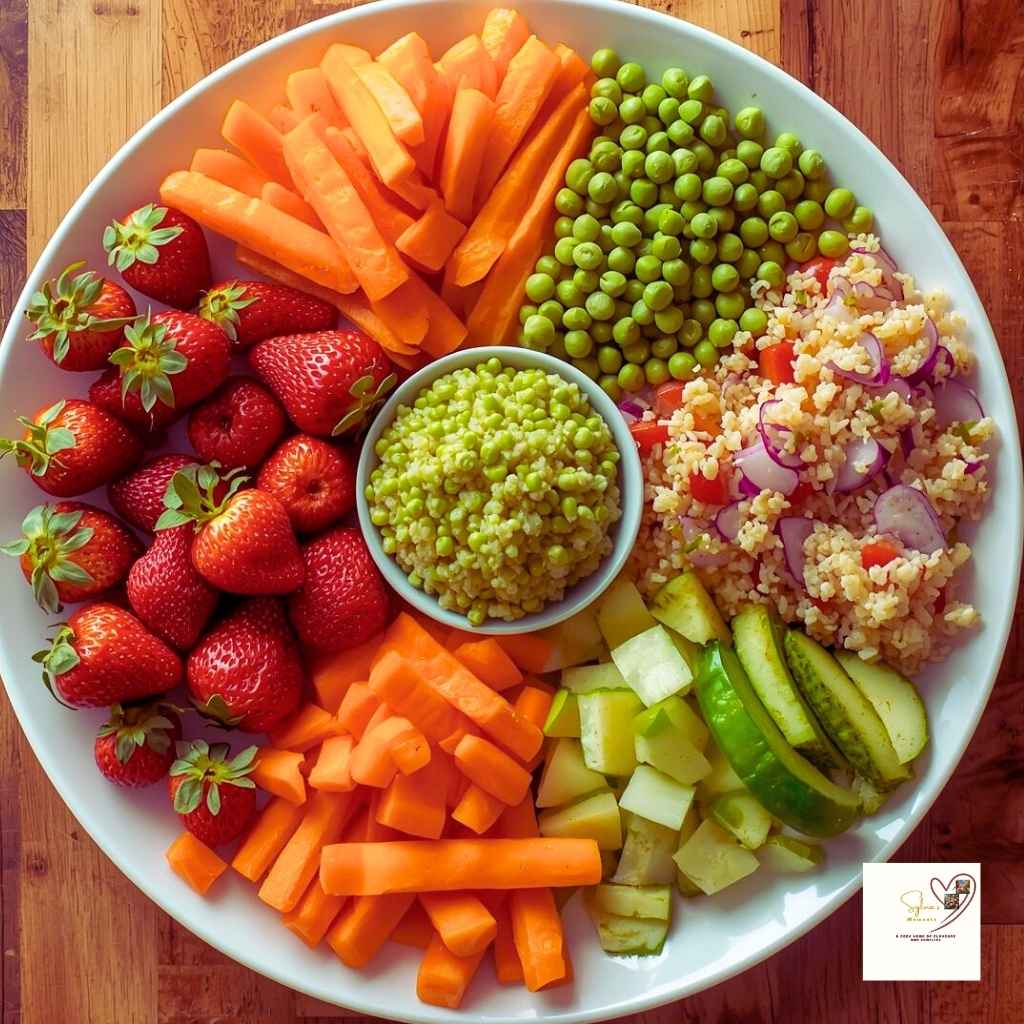
Have you ever eaten a full meal and still felt hungry, bloated, or oddly unsatisfied? Well, that was me a few years ago, standing in the kitchen, wondering how I could eat “healthy” and still feel off. Eventually, I discovered the missing link, fiber. Once I started paying attention to fiber-rich foods, everything changed. Energy improved, digestion became smoother, and meals finally felt satisfying. That’s exactly why 50 high-fiber foods that should be on your diet deserves a permanent spot on your wellness radar.
So, let’s break it all down in a simple, friendly way—no stress, no complicated nutrition talk, just practical food choices you can actually enjoy.
What Is Dietary Fiber and Why Is It Important?
Dietary fiber is a type of carbohydrate your body doesn’t digest. Instead of breaking down for energy, fiber moves through your digestive system, helping everything work smoothly. As a result, it supports digestion, feeds healthy gut bacteria, and helps you feel full longer.
According to Harvard T.H. Chan School of Public Health, fiber plays a key role in heart health, blood sugar control, and weight management. Likewise, the American Heart Association links higher fiber intake to a lower risk of heart disease.
There are two main types of fiber:
-
Soluble fiber, which dissolves in water and helps lower cholesterol and regulate blood sugar.
-
Insoluble fiber, which adds bulk to stool and supports regular digestion.
Most foods naturally contain a mix of both, which is even better.
How Much Fiber Do You Need Daily?
Although fiber is essential, most people don’t get enough of it. The CDC and Institute of Medicine recommend:
-
Women: about 25 grams per day
-
Men: about 38 grams per day
However, many people barely reach half of that amount. Fortunately, adding the right foods makes a huge difference.
Health Benefits of a High-Fiber Diet
When you consistently eat fiber-rich foods, the benefits quickly add up.
-
Improves Digestion
Fiber keeps stool soft and regular, helping prevent constipation. According to Harvard Health, insoluble fiber supports healthy bowel movement.
-
Supports Gut Health
Fiber feeds beneficial gut bacteria, which improves digestion and immune function, as noted by the National Institutes of Health.
-
Helps With Weight Management
Fiber slows digestion and promotes fullness, which naturally reduces overeating. The CDC highlights fiber as a helpful tool for maintaining a healthy weight.
-
Protects Heart Health
Soluble fiber helps lower LDL cholesterol levels, reducing heart disease risk, according to the American Heart Association.
-
Balances Blood Sugar
Fiber slows glucose absorption, which supports stable blood sugar levels, especially after meals.
50 high-fiber foods that should be on your diet
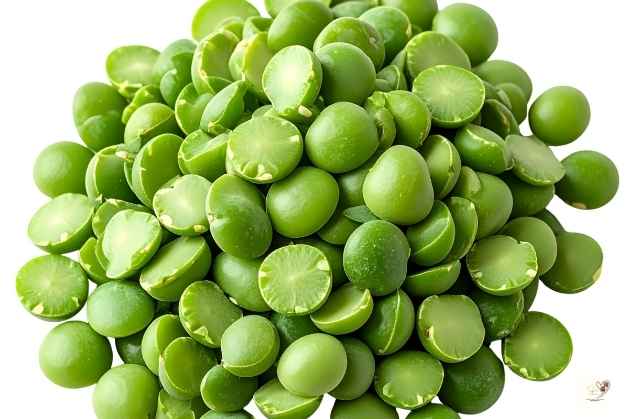
1. Split Peas ⇒ 16 g of Fiber per Cooked Cup
Split peas are one of the most fiber-dense foods you can add to your diet, providing about 16 grams of fiber per cooked cup. Also, this hearty legume helps keep you full longer and supports smooth digestion through both soluble and insoluble fiber. It’s a great base for soups, stews, and hearty salads.
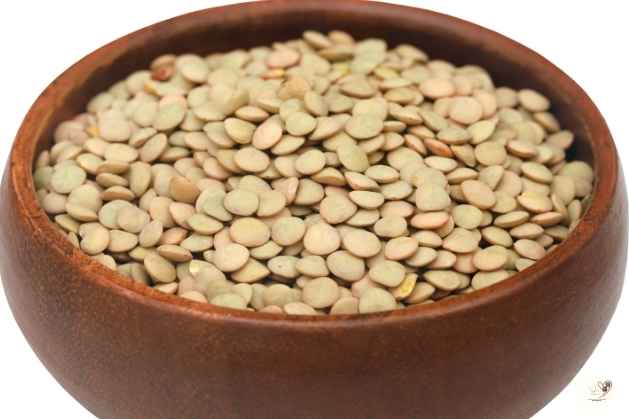
2. Lentils ⇒15 g of Fiber per Cooked Cup [50 High-Fiber Foods That Should Be on Your Diet]
Lentils are a beloved plant food that delivers roughly 15 grams of fiber per cooked cup. . You can mix lentils into soups, salads, or grain bowls for a satisfying boost.
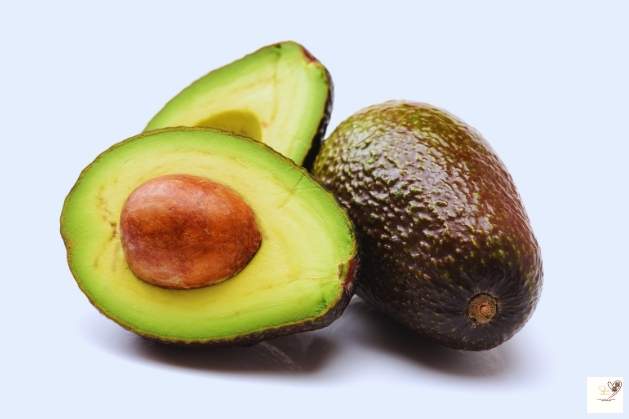
3. Avocado ⇒ 13.5 g of Fiber per Medium Fruit
A ripe avocado packs about 13.5 grams of fiber in a single medium fruit, making it a standout fiber source among fruits. Alongside fiber, avocados bring healthy fats that support heart and brain health. You can enjoy them on toast, in salads, or blended into creamy dressings.
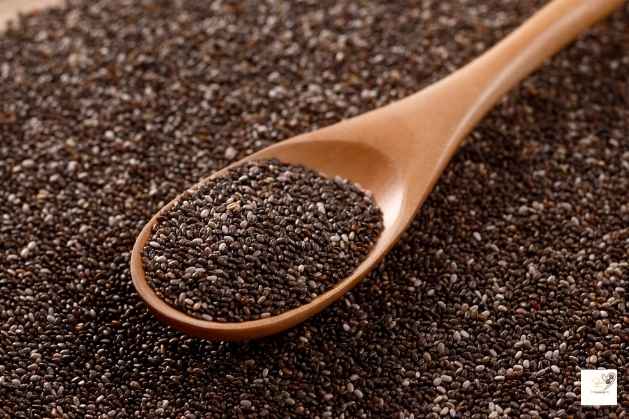
4. Chia Seeds — 10 g of Fiber per Ounce
Chia seeds are tiny but mighty, offering about 10 grams of fiber per ounce (roughly 3 tablespoons). When soaked, they expand and help slow digestion, which contributes to a longer sense of fullness. These seeds work great in smoothies, yogurt, and overnight oats.
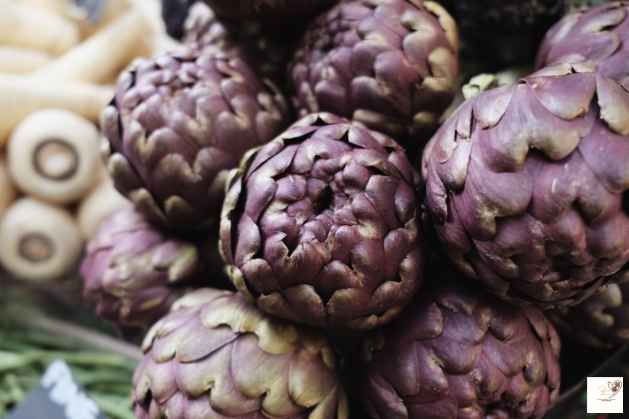
5. Artichoke Hearts ⇒ 10 g of Fiber per Cup Cooked[50 High-Fiber Foods That Should Be on Your Diet]
Cooked artichoke hearts deliver about 10 grams of fiber per cup, making them a fibrous vegetable star. Artichokes pair nicely with whole grain salads, pasta dishes, or on their own with a drizzle of olive oil. They also provide antioxidants that support overall health.
6. Black Beans ⇒ 8–15 g of Fiber per Cup
Black beans provide roughly 15 grams of fiber per cooked cup, packed with both soluble and insoluble fiber. Plus they add substance and texture to soups, burritos, and salads while helping stabilize blood sugar. Moreover, black beans are a fundamental staple in many healthy, fiber-rich eating plans.
7. Raspberries ⇒ 8 g of Fiber per Cup
Raspberries offer around 8 grams of fiber per cup, along with antioxidants and vitamins. Their bright flavor pairs perfectly with oatmeal, yogurt, and smoothies. Because they’re naturally sweet yet high in fiber, raspberries help balance a snack with nutrition. Toss them into grain bowls or enjoy them solo as a refreshing treat.
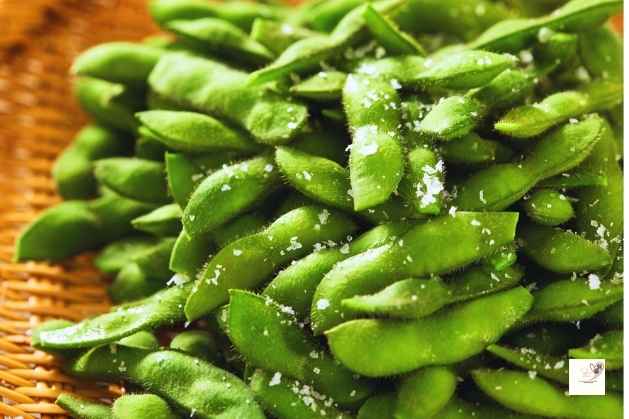
8. Edamame — 8 g of Fiber per Cup Cooked
Edamame, or young soybeans, supplies about 8 grams of fiber per cooked cup. What’s more, these green soybeans also bring plant protein, making them a great snack or addition to stir-fries and salads. They offer a satisfying bite that supports digestion and satiety. Edamame works well chilled or warm, depending on how you serve it.
9. Flaxseeds ⇒ 8 g of Fiber per Ounce
Flaxseeds deliver about 8 grams of fiber per ounce, especially when ground for better absorption. They blend well into smoothies, cereals, or baked goods. Flaxseeds also contain heart-healthy omega-3 fats. Regular use can help support digestive regularity and overall nutritional balance.
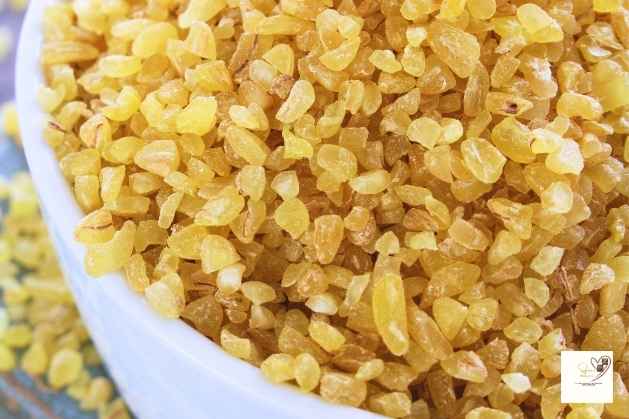
10. Bulgur ⇒ 8 g of Fiber per Cooked Cup[50 High-Fiber Foods That Should Be on Your Diet]
Bulgur, a cracked wheat grain, delivers around 8 grams of fiber per cooked cup. It’s light, quick to prepare, and excellent in pilafs and tabbouleh. Bulgur’s nutty texture adds body to meals, supporting fullness and nutrient intake.
11. Whole Wheat Pasta⇒ 6–8 g of Fiber per Cooked Cup
Whole wheat pasta like Macaroni and spaghetti provides about 6–8 grams of fiber per cooked cup, depending on brand and blend. This fiber helps with digestion while offering the comfort of a favorite meal. Swap whole wheat pasta into sauces and bakes for an instant fiber upgrade.
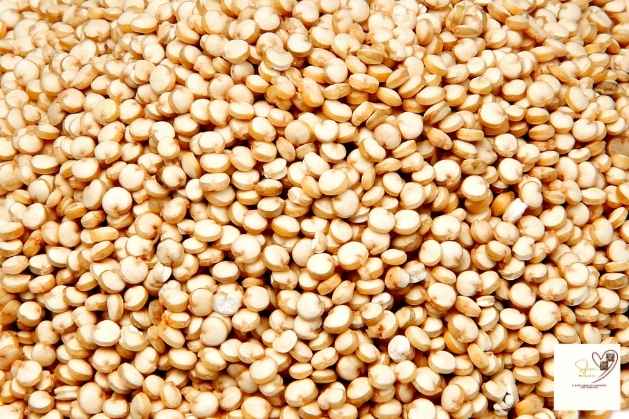
12. Quinoa⇒ 5–6 g of Fiber per Cooked Cup
Quinoa delivers roughly 5–6 grams of fiber per cooked cup, along with complete plant protein. This seed-turned-grain cooks quickly and works well in salads, bowls, and even breakfast dishes.
13. Pumpkin ⇒ 5 g of Fiber per Cup Cooked
Cooked pumpkin provides about 5 grams of fiber per cup, making it a great seasonal favorite and year-round staple. Its mild sweetness pairs well with soups, breads, and purees. Fiber and beta-carotene make it a nutritious choice for skin and vision health.
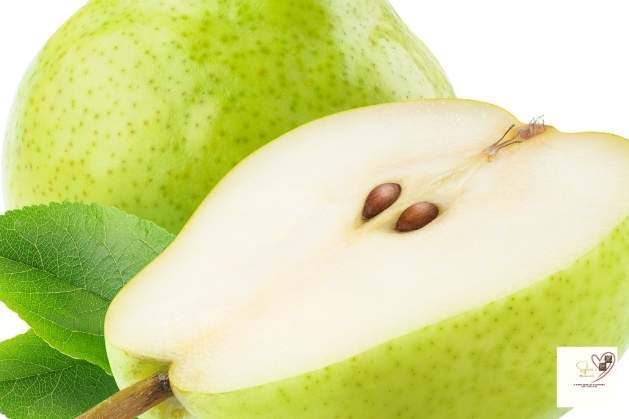
14. Pear ⇒ 5.5–7 g of Fiber per Medium Fruit
A medium pear with skin supplies around 5.5–7 grams of fiber, depending on size and variety. Its juicy sweetness is perfect fresh or sliced into salads and smoothies like Pineapple-Pear Smoothie. With fiber and vitamins, pears support digestion and immune health.
15. Broccoli ⇒ 2.5–5 g of Fiber per Cup Cooked
Cooked broccoli provides about 2.5–5 grams of fiber per cup, depending on how tender it is. It’s also packed with vitamins C and K. Broccoli’s fiber supports your digestive system while adding volume to meals without many calories. Roast, steam, or stir-fry for a versatile side dish.
16. Oats ⇒ 4 g of Fiber per Cooked Cup [50 High-Fiber Foods That Should Be on Your Diet]
Oats provide about 4 grams of fiber per cooked cup, mostly from soluble fiber called beta-glucan. This type of fiber helps lower cholesterol and supports heart health. Oats also promote steady blood sugar levels and long-lasting energy. You can enjoy them as oatmeal, overnight oats, or blended into smoothies.
17. Sweet Potatoes ⇒4 g of Fiber per Medium Potato
A medium sweet potato contains about 4 grams of fiber, especially when eaten with the skin. This fiber supports digestion and feeds beneficial gut bacteria. Sweet potatoes also provide vitamin A and antioxidants. Roasting or baking keeps them filling and naturally sweet.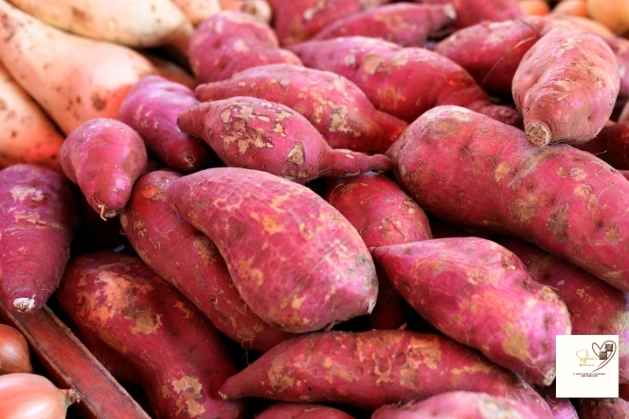
18. Chickpeas⇒ 12 g of Fiber per Cooked Cup
Chickpeas deliver around 12 grams of fiber per cooked cup, making them a powerful plant food. Also, their fiber helps control appetite and stabilize blood sugar. Chickpeas as well work in soups, salads, and hummus.
19. Apples (With Skin) ⇒4–5 g of Fiber per Medium Apple
A medium apple with skin provides about 4–5 grams of fiber. Much of this fiber comes from pectin, which supports gut health. Apples also help promote fullness and digestive regularity. Eating the skin maximizes fiber benefits.
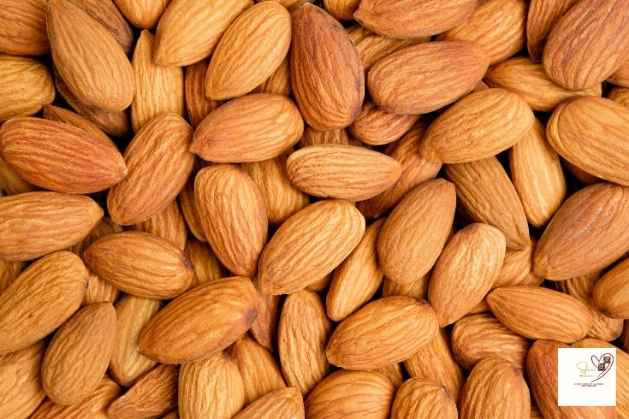
20. Almonds ⇒ 3.5 g of Fiber per Ounce
Almonds contain about 3.5 grams of fiber per ounce, making them a fiber-rich snack. Their fiber helps slow digestion and supports heart health. Almonds also supply healthy fats and vitamin E. Enjoy them raw, roasted, or added to meals.
21. Popcorn (Air-Popped) ⇒ 3.6 g of Fiber per 3 Cups
Air-popped popcorn provides about 3.6 grams of fiber per three cups. It’s a whole grain that supports digestion and fullness. Moreover, when prepared without excess butter, it stays low in calories.
22. Brussels Sprouts ⇒ 4 g of Fiber per Cup Cooked
Cooked Brussels sprouts offer about 4 grams of fiber per cup. Their fiber supports digestion and gut health. These vegetables also contain antioxidants and vitamin C. Roasting enhances flavor while keeping nutrients intact.
23. Kale ⇒ 2.6 g of Fiber per Cup Raw
Raw kale provides about 2.6 grams of fiber per cup. Its fiber supports bowel regularity and gut balance. Kale also supplies vitamins A, C, and K. You can enjoy it raw, sautéed, or blended into smoothies.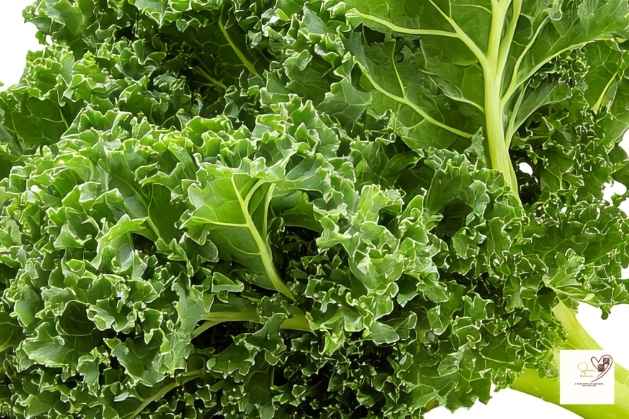
24. Brown Rice ⇒ 3.5 g of Fiber per Cooked Cup
Brown rice contains around 3.5 grams of fiber per cooked cup. Its intact bran layer boosts digestive health. Brown rice keeps you full longer than white rice. It works well in bowls, stir-fries, and meal prep.
25. Barley ⇒ 6 g of Fiber per Cooked Cup
Cooked barley delivers about 6 grams of fiber per cup, mostly soluble fiber. So, this helps reduce cholesterol and improve digestion. Barley also adds chewiness and fullness to meals. It fits well into soups and grain salads.
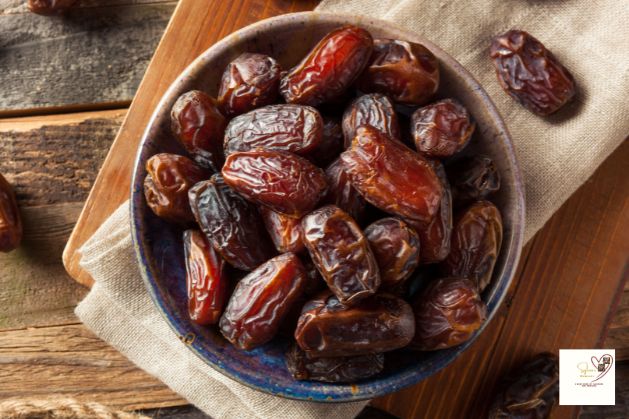
26. Dates ⇒ 6.7 g of Fiber per 100 g
Dates provide roughly 6.7 grams of fiber per 100 grams. Their fiber helps prevent constipation and supports digestion. Dates also supply natural sweetness and minerals. Enjoy them in moderation due to their natural sugar content.
27. Prunes ⇒ 7 g of Fiber per Half Cup
Prunes contain about 7 grams of fiber per half cup. Their fiber and sorbitol help relieve constipation naturally. Prunes also support gut and bone health. They work well as snacks or chopped into dishes.
28. Sunflower Seeds ⇒ 3 g of Fiber per Ounce
Sunflower seeds provide about 3 grams of fiber per ounce. Their fiber supports digestion and satiety. They also supply healthy fats and magnesium. Sprinkle them on salads or yogurt for crunch.
29. Pumpkin Seeds ⇒ 1.7 g of Fiber per Ounce
Pumpkin seeds offer about 1.7 grams of fiber per ounce. Then, their fiber aids digestion while adding protein and minerals. They also support heart and immune health. Roasted seeds make a nutritious snack.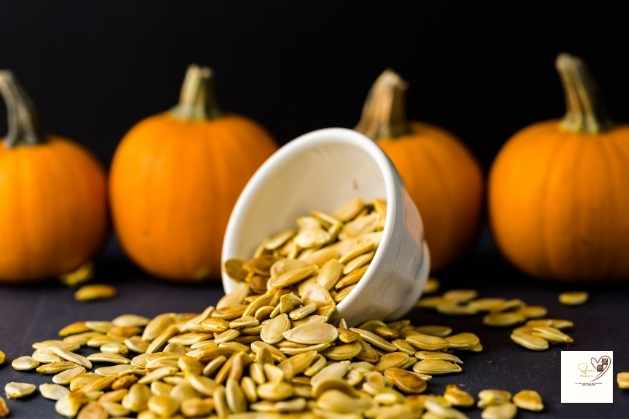
30. Coconut (Raw) ⇒ 7 g of Fiber per Cup
Raw coconut provides about 7 grams of fiber per cup. It also supports digestive health and fullness. Coconut also contains healthy fats for energy. Use it sparingly due to calorie density.
31. Okra ⇒ 3.2 g of Fiber per Cup Cooked
Cooked okra supplies about 3.2 grams of fiber per cup. Its soluble fiber supports gut health and blood sugar control. Okra also adds thickness to soups and stews. It’s especially helpful for digestion. Check Healthy Oil-less Okra Soup.
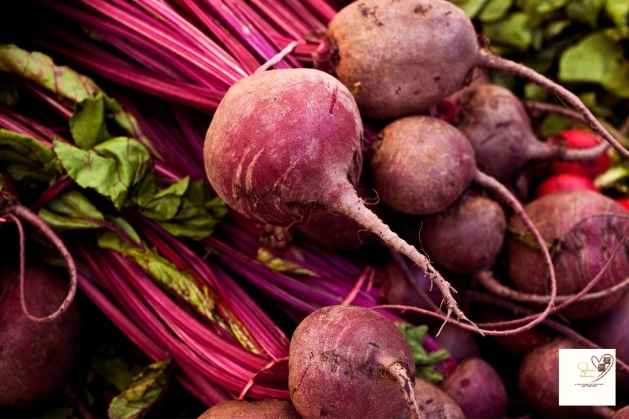
32. Beets ⇒ 3.4 g of Fiber per Cup Cooked
Cooked beets provide around 3.4 grams of fiber per cup. Their fiber supports digestion and gut bacteria. Beets also improve blood flow and endurance. Roast or boil them for best results.
33. Figs (Dried) ⇒ 14 g of Fiber per Cup
Dried figs deliver about 14 grams of fiber per cup. Their fiber promotes bowel regularity and gut health. Figs also provide calcium and antioxidants. More importantly, portion control matters due to sugar content.
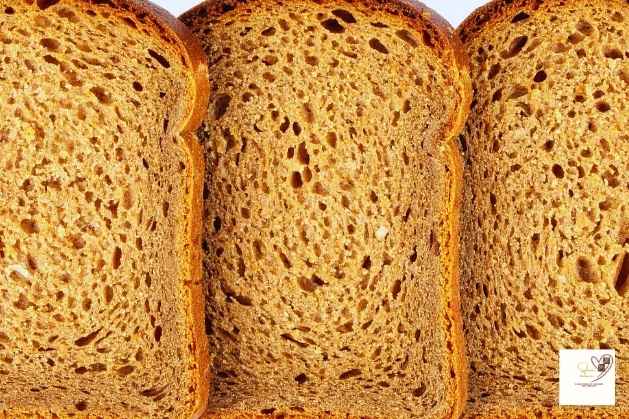
34. Rye Bread (Whole Grain) ⇒ 3 g of Fiber per Slice
Whole-grain rye bread contains about 3 grams of fiber per slice. Also, its fiber slows digestion and supports fullness. Rye also has a lower glycemic impact than white bread. Choose dense, whole-grain varieties.
35. Wheat Bran ⇒ 12 g of Fiber per Half Cup
Wheat bran provides about 12 grams of fiber per half cup, mostly insoluble fiber. This type of fiber supports regular bowel movements. Wheat bran works well in cereals and baking. Start slowly to avoid bloating.
36. Navy Beans ⇒ 19 g of Fiber per Cooked Cup
Navy beans provide about 19 grams of fiber per cooked cup, making them one of the highest fiber foods available. Their fiber supports digestion and helps control blood sugar levels. Navy beans also keep you full for longer periods.
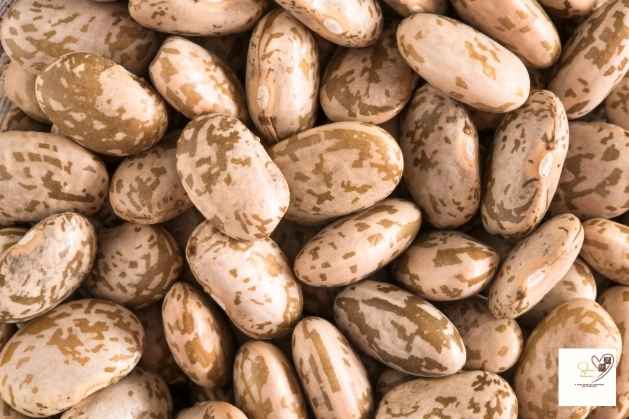
37. Pinto Beans ⇒ 15 g of Fiber per Cooked Cup
Cooked pinto beans deliver around 15 grams of fiber per cup. This fiber supports gut health and promotes regular bowel movements. Pinto beans also contain plant protein for balanced meals. They are commonly used in chili, burritos, and rice dishes.
38. Kidney Beans ⇒ 13 g of Fiber per Cooked Cup
Kidney beans contain about 13 grams of fiber per cooked cup. Again, its fiber helps reduce cholesterol and supports digestive health. Kidney beans also provide iron and plant protein. They are ideal for stews, salads, and soups.
39. Green Peas ⇒ 8.8 g of Fiber per Cooked Cup
Green peas offer roughly 8.8 grams of fiber per cooked cup. Furthermore, their fiber supports digestion and gut bacteria. Green peas also add natural sweetness and texture to meals. They work well in soups, stir-fries, and rice dishes.
40. Farro ⇒ 7 g of Fiber per Cooked Cup
Cooked farro provides about 7 grams of fiber per cup. This ancient grain supports digestive health and fullness. Farro has a chewy texture that enhances salads and grain bowls.
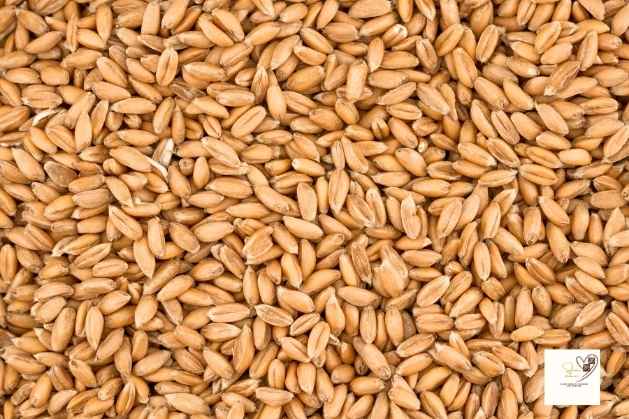
41. Oat Bran ⇒ 6 g of Fiber per Half Cup Cooked
Oat bran delivers around 6 grams of fiber per half cup cooked. It is rich in soluble fiber that supports heart health. Oat bran also helps regulate blood sugar levels. It works well in porridge and baked recipes.
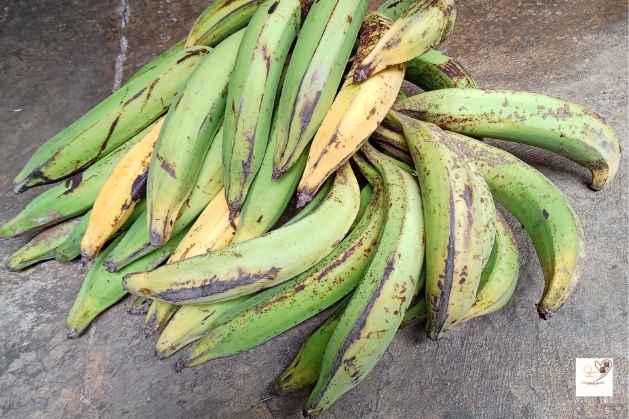
42. Plantain ⇒ 4 g of Fiber per Cooked Cup
Cooked plantains provide about 4 grams of fiber per cup. Their fiber supports digestion and gut balance. Plantains also offer energy from complex carbohydrates. Boiled or roasted versions work best for fiber intake.
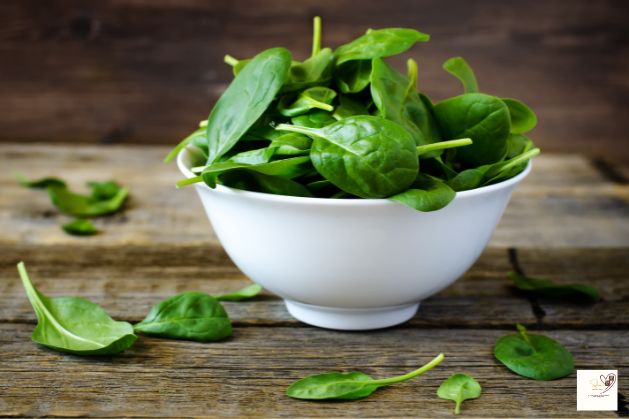
43. Spinach ⇒ 4 g of Fiber per Cooked Cup
Cooked spinach contains about 4 grams of fiber per cup. This fiber supports digestion while adding volume to meals. You can sauté or add it to soups and stews.
44. Cabbage ⇒ 2.2 g of Fiber per Cup Raw
Raw cabbage provides about 2.2 grams of fiber per cup. Its fiber supports digestion and gut health. Cabbage also offers vitamin C and antioxidants. It works well raw, steamed, or fermented.
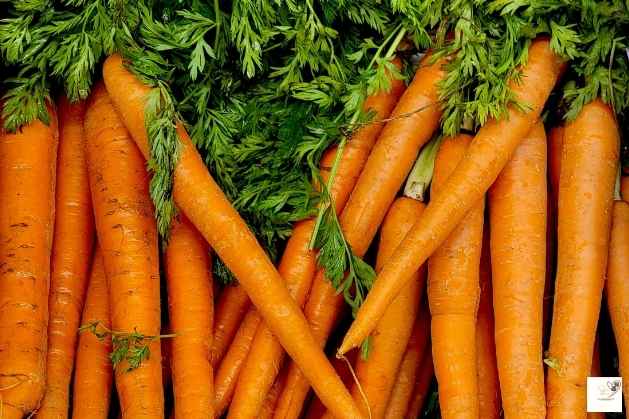
45. Carrots ⇒ 3.6 g of Fiber per Cup Raw
Raw carrots deliver around 3.6 grams of fiber per cup. Their fiber supports bowel regularity and gut health. Carrots also provide beta-carotene for eye health. Eating them raw or lightly cooked preserves fiber.
46. Oranges ⇒ 4 g of Fiber per Medium Fruit
A medium orange contains about 4 grams of fiber. Much of the fiber sits in the pulp and membranes. Oranges support digestion and hydration. Eating the whole fruit provides more fiber than juice.
47. Strawberries ⇒ 3 g of Fiber per Cup
Strawberries offer about 3 grams of fiber per cup. Their fiber supports gut health and fullness. . They are easy to add to breakfasts and Deserts. See Valentine Strawberry Desert Recipe.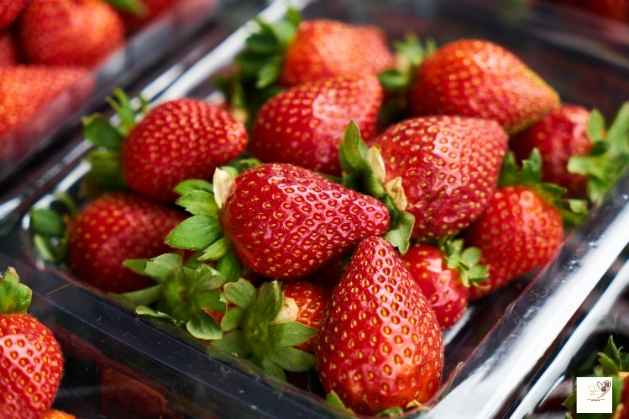
48. Bananas⇒ 3.1 g of Fiber per Medium Banana
A medium banana provides roughly 3.1 grams of fiber. Its fiber supports digestion and energy balance. Bananas also contain potassium for muscle function. Slightly green bananas offer more resistant starch.
49. Dark Chocolate (70%+) — 3 g of Fiber per Ounce
Dark chocolate contains about 3 grams of fiber per ounce. Its fiber supports gut health when consumed moderately. Dark chocolate also provides antioxidants. Choose high-cocoa options for better benefits.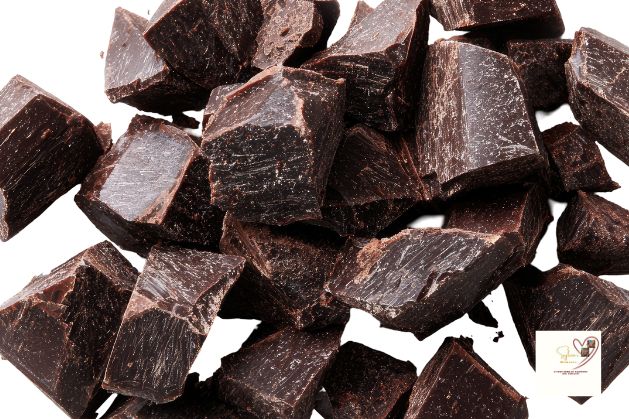
50. Psyllium Husk — 7 g of Fiber per Tablespoon
Psyllium husk delivers about 7 grams of fiber per tablespoon. Its soluble fiber supports digestion and bowel regularity. Psyllium also helps manage cholesterol levels. Always consume it with enough water.
Reference: https://www.healthline.com/nutrition/foods/psyllium-husk
How to Add More Fiber Without Digestive Discomfort
While fiber is beneficial, adding too much too quickly can cause bloating. Therefore:
-
Increase fiber gradually
-
Drink plenty of water
-
Mix fruits, vegetables, grains, and legumes
-
Listen to your body
Slow and steady always works best.
Simple High-Fiber Meal Ideas
-
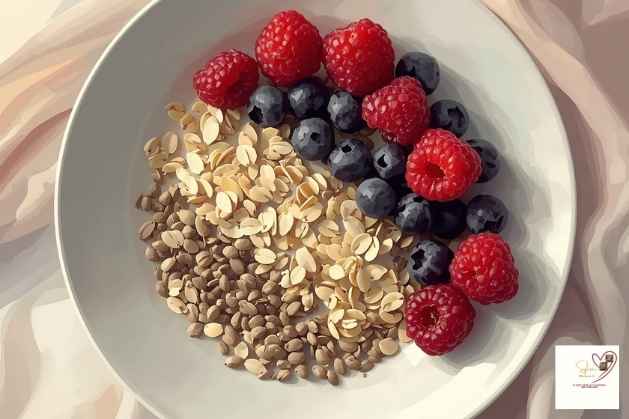
Breakfast: Oats topped with berries and chia seeds
-
Lunch: Lentil and vegetable salad
-
Dinner: Quinoa with roasted vegetables
-
Snack: Apple slices with almonds
These meals feel satisfying while naturally boosting fiber intake.
Frequently Asked Questions [50 High-Fiber Foods That Should Be on Your Diet]
Can fiber cause bloating?
Yes, especially if you increase intake too fast. Drinking water helps.
Is fiber good for weight loss?
Absolutely. Fiber helps you feel full longer and reduces overeating.
Which foods help constipation most?
Prunes, oats, beans, and vegetables are especially effective.
Is fiber better from food or supplements?
Experts recommend getting fiber primarily from whole foods whenever possible.
Final Thoughts
Once you understand how powerful fiber is, eating well becomes easier and more enjoyable. By intentionally adding these 50 high-fiber foods that should be on your diet, you support digestion, heart health, and long-term wellness, one satisfying meal at a time.