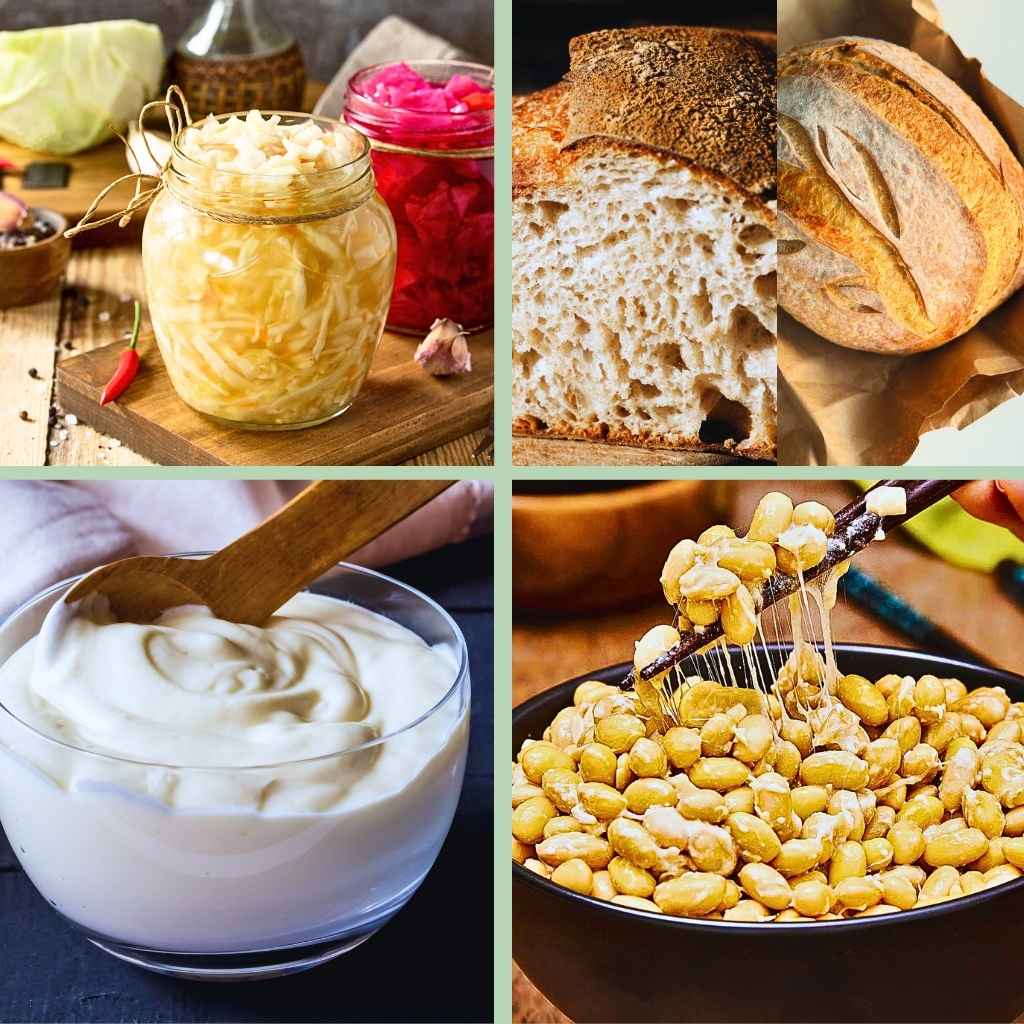
If you want to improve your gut health naturally, add probiotic-rich foods to your daily meals. Below, we list 20 High-Probiotic Foods to Improve Gut Health Naturally you can easily incorporate into your diet, along with tips for enjoying them
Probiotics consist of live beneficial microorganisms that restore and maintain a healthy gut microbiome. When you consume them regularly, they actively improve digestion, reduce bloating, and enhance nutrient uptake. While supplements provide probiotics, many people now prefer to get them naturally through food. Fortunately, nature offers a wide range of tasty and accessible options. Additionally, these foods provide essential nutrients such as protein, fiber, and vitamins, increasing their overall health benefits.
20 High-Probiotic Foods to Improve Gut Health Naturally
1. Yogurt
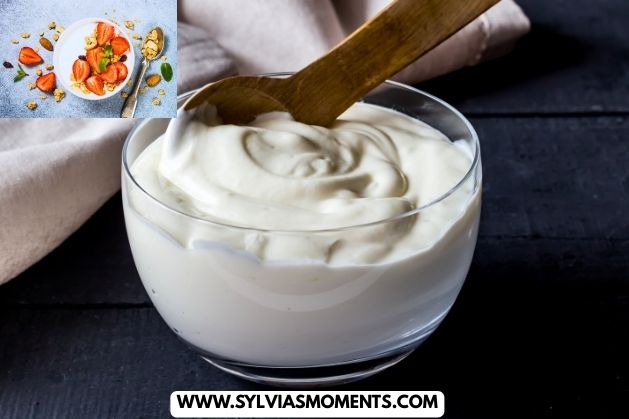
Yogurt contains live bacterial cultures, most commonly Lactobacillus and Bifidobacterium, which actively support digestion and balance gut flora. In addition, yogurt provides protein, calcium, and essential vitamins, making it both nourishing and satisfying. However, not all yogurts contain live probiotics. Therefore, always choose plain, unsweetened yogurt labeled with “live and active cultures.”
-
Add berries or banana slices to enhance fiber and antioxidant content.
-
Use yogurt as a base for smoothie bowls or salad dressings.
2. Kefir ⇒ 20 High-Probiotic Foods to Improve Gut Health Naturally
Kefir is nutritious, high in probiotics, and easy to digest. . In addition, it blends well with fruits, vegetables, or even nut butters, allowing you to customize flavor and nutrition. As a result, kefir provides both digestive support and versatility in meals.
Tips:
-
Make a kefir smoothie with spinach and mango for a refreshing breakfast.
-
Use kefir instead of milk in pancakes or oatmeal to add probiotics.

3. Sauerkraut
Fermenting cabbage with salt produces sauerkraut, which naturally develops beneficial bacteria. Consequently, It is a rich source of probiotics and vitamins. It can aid digestion, boost immunity, and provide other health benefits. However, not all sauerkraut contains live probiotics. For this reason, choose raw, unpasteurized sauerkraut found in the refrigerated section. Additionally, adding small amounts to meals helps your digestive system adapt gradually. Similarly, sauerkraut pairs perfectly with meats, sandwiches, or salads, boosting both flavor and nutrition.
Tips:
-
Top roasted vegetables or tacos with sauerkraut for extra probiotics.
-
Add a spoonful to a grain bowl for crunch and gut support.

4. Kimchi
Kimchi contains fermented vegetables such as napa cabbage and radishes, seasoned with spices, garlic, and ginger. Because fermentation occurs naturally, it delivers probiotics that actively enhance digestion. Furthermore, kimchi provides fiber, antioxidants, and anti-inflammatory compounds. Similarly, you can serve kimchi with rice, noodles, or salads to increase flavor and nutritional density. Moreover, it adds a spicy, tangy punch that makes healthy eating exciting.
5. Miso
Miso comes from fermenting soybeans with salt and koji, creating a paste rich in probiotics and digestive enzymes. Moreover, miso adds umami flavor to soups, sauces, and marinades. However, to preserve probiotics, avoid boiling miso and instead stir it into warm dishes. Additionally, combine miso with vegetables or tofu to create nutrient-dense meals. In fact, adding miso daily can provide consistent gut support.
Tips:
-
Make miso soup with seaweed and mushrooms for breakfast or lunch.
-
Use miso as a marinade for roasted vegetables or proteins.

6. Tempeh
Tempeh retains the whole soybean, making it rich in protein, fiber, and probiotics. Because it ferments naturally, tempeh becomes easier to digest than unfermented soy products. Additionally, its firm texture allows it to absorb marinades and spices well. Furthermore, you can grill, sauté, or stir-fry tempeh for a versatile protein option. As a result, tempeh suits vegetarians and omnivores who want a nutrient-rich, gut-friendly alternative to meat.
7. Kombucha
Kombucha is a fermented tea that develops probiotics, antioxidants, and organic acids. When you drink it regularly, it improves digestion and supports gut health. However, choose low-sugar varieties to avoid excess calories. Additionally, you can flavor kombucha naturally with fruits or herbs. Similarly, consuming small amounts daily enhances long-term digestive balance.
Tips:
-
Drink a small glass before meals to stimulate digestion.
-
Combine kombucha with herbal teas for flavor variety.
8. Pickles (Naturally Fermented)
Soaking cucumbers in saltwater allows beneficial bacteria to grow, creating naturally fermented pickles. Pickles may have some health benefits due to their antioxidant content and may have additional benefits if they’re fermented. But they are also high in sodium and best enjoyed in moderation. Unlike vinegar-based pickles, these contain live probiotics. Add them to sandwiches, salads, or wraps to boost both taste and nutrition. In fact, fermented pickles pair well with eggs, meats, and plant-based dishes alike.
Tips:
-
Include pickles in grain bowls for a probiotic punch.
-
Snack on pickles between meals for gut-friendly benefits.
9. Traditional Buttermilk ⇒ 20 High-Probiotic Foods to Improve Gut Health Naturally
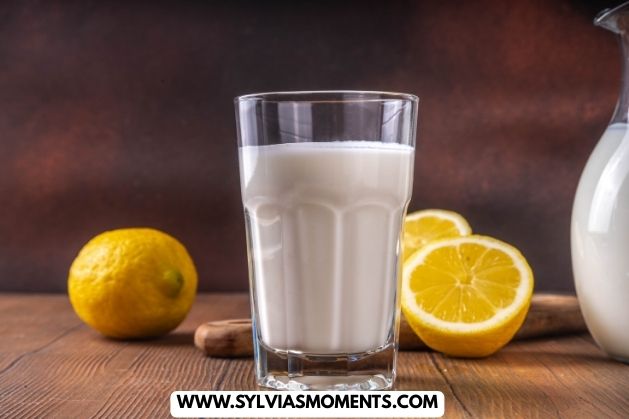
Traditional buttermilk contains live cultures that actively support digestion. Compared to milk, it digests more easily and soothes the stomach after heavy meals. In many cultures, people consume buttermilk daily to aid digestion and maintain gut health. However, choose cultured buttermilk instead of commercially flavored varieties. On the downside, it can be high in sodium and cause digestion issues in people with dairy sensitivity.
Tips:
-
Use buttermilk in pancake or waffle recipes.
-
Mix with cucumber and mint for a cooling probiotic drink.
10. Cottage Cheese (With Live Cultures)
Cottage cheese with live cultures provides probiotics that improve gut health. In addition, it delivers high protein while remaining low in fat. Probiotics are live microorganisms that can improve the balance of good and bad bacteria in your gut (gut microbiota). The curdling process used to produce cottage cheese adds beneficial bacteria that can promote better gut health. . Furthermore, check labels carefully because not all cottage cheese brands contain live probiotics.
11. Natto ⇒ 20 High-Probiotic Foods to Improve Gut Health Naturally
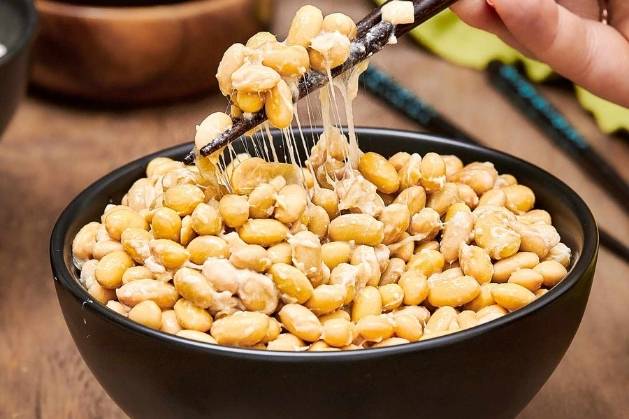
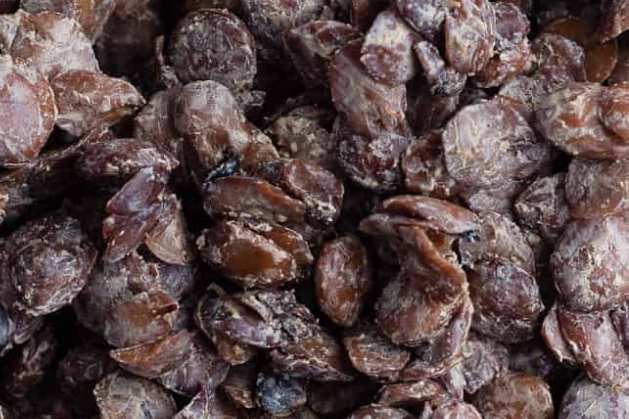
Natto is a fermented soybean dish popular in Japan. is especially nutritious because its soybeans undergo a process of fermentation, which creates conditions that promote the growth of probiotics. Although it has a strong flavor and sticky texture, it is extremely rich in probiotics and vitamin K2.
Moreover, natto supports gut health, heart health, and bone strength. While it may take time to get used to, even small portions provide significant benefits.
12. Apple Cider Vinegar (Raw & Unfiltered)
Raw, unfiltered apple cider vinegar contains beneficial bacteria and enzymes. When consumed in small amounts, it can support digestion and stomach acid balance.
However, it should always be diluted with water to protect tooth enamel and the digestive tract. Additionally, it works well as a base for salad dressings.
Order from Amazon
13. Sourdough Bread ⇒ 20 High-Probiotic Foods to Improve Gut Health Naturally
Traditional sourdough bread is made using natural fermentation rather than commercial yeast. As a result, it is easier to digest and supports better nutrient absorption. Sourdough fermentation may also produce prebiotics, a type of indigestible fiber that feeds the beneficial bacteria in your gut, in turn easing digestion and improving your gut health
Although baking reduces some probiotics, sourdough still supports gut health by improving digestion and reducing gluten sensitivity for some people.

14. Fermented Cheese
Certain aged cheeses such as gouda, cheddar, and Swiss contain live probiotic cultures. At the same time, these cheeses provide calcium and protein.
When consumed in moderation, fermented cheese can support gut health while adding flavor and satisfaction to meals.
15. Olives (Naturally Fermented)
Fermented olives are rich in healthy fats and beneficial bacteria. In addition, they support digestion and provide antioxidants. However, similar to pickles, olives must be naturally fermented to contain probiotics. Therefore, always check labels carefully.
16. Fermented Soy Sauce
Naturally brewed soy sauce undergoes fermentation, which allows beneficial bacteria to develop. . Probiotics, good bacteria that can contribute to gut and overall health, can be found in some types of cheese .While it should be consumed in small amounts due to sodium content, it still offers digestive benefits.
Additionally, it enhances flavor, making healthy meals more enjoyable.

17. Rejuvelac ⇒ 20 High-Probiotic Foods to Improve Gut Health Naturally
Rejuvelac is a fermented grain drink made from wheat, quinoa, or rye. Because of its fermentation process, it is rich in probiotics and digestive enzymes.
Although it is less common, it is popular in plant-based diets and can be consumed on its own or added to smoothies.
18. Fermented Vegetables
Fermenting vegetables such as carrots, beets, and cucumbers increases their probiotic content. At the same time, these vegetables retain fiber and essential vitamins.
Furthermore, fermented vegetables add variety, color, and flavor to meals, making gut-friendly eating more enjoyable.

19. Probiotic Drinks
Probiotic drinks and shots made from fermented dairy or fruits offer a convenient way to boost gut bacteria. For this reason, they are especially helpful for beginners.
However, it is best to choose products with minimal added sugar for optimal health benefits.
20. Traditional African Fermented Foods
Many African fermented foods, including ogi, garri, and iru, contain beneficial bacteria. For generations, these foods have been consumed to support digestion and overall health.
Additionally, they are affordable, accessible, and culturally significant, making them excellent probiotic options.
Side Effects and Things to Keep in Mind
Probiotics generally have a strong track record of safe use in healthy people. Still, they can sometimes cause mild and short-term digestive issues. For example, you might notice gas, bloating, diarrhea, or a slightly upset stomach when you first start taking them. However, these symptoms usually fade as your body adjusts.
That said, probiotics don’t work the same way for everyone. In fact, some groups need to be more cautious. Infants, older adults, and people with weakened immune systems may face a higher risk of serious side effects. Although these reactions remain uncommon, probiotics can occasionally lead to increased infections, sepsis, or unwanted interactions with medications. In some cases, they may also interfere with blood sugar control or trigger autoimmune flare-ups.
Because probiotics can help in some situations and cause problems in others, it’s smart to talk with your doctor before adding them to your routine. This step becomes even more important if you have an underlying health condition. By checking first, you can enjoy the benefits of probiotics while reducing the risk of unwanted side effects.
How to Add Probiotic Foods to Your Diet
To start, introduce one or two probiotic foods at a time, allowing your digestive system to adjust. Next, rotate foods regularly to provide a variety of bacterial strains. Furthermore, combine probiotics with prebiotic foods such as garlic, onions, or whole grains for maximum effect. Most importantly, maintain consistency because small amounts consumed regularly outperform sporadic large servings. Additionally, variety prevents monotony and ensures a balanced gut microbiome. In fact, combining multiple probiotic foods each week enhances overall digestive and immune health.


great insight